
Best places in Barcelona for a real-world date
🇪🇸 Barcelona, Spain
Information is based on data we researched and found. Hours, access, and conditions change — always verify before you visit.
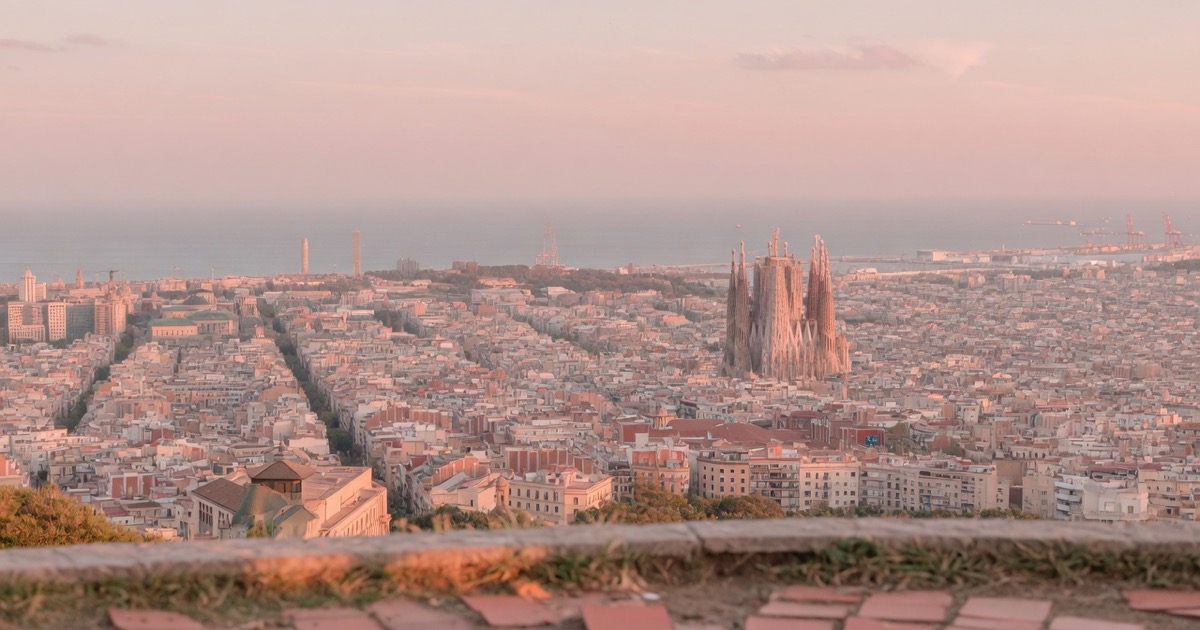
Barcelona will eat a first date alive if your plan is “Sagrada Família, then tapas, then a club” — that’s a queue, a queue, and a cover charge.
It gets generous if you treat the city like a hill-and-sea walk with a reason to stop. The best meets here are public and slightly imperfect: a central park that stays open past 10pm, a hill of gardens with sunset terraces, a free panoramic terrace above an old amusement park, a former anti-aircraft battery that has become the city’s favourite picnic skyline. You talk while you move, and the Mediterranean does the atmosphere work.
This is a human shortlist of places that work for showing up — not a ranking of “best restaurants in the capital.” Addresses and hours are grounded in official City Council and tourism pages; hours move and parks close for incidents, so verify on the day before you promise a gate time.
If you’re already in town and want to see who’s pinning a plan, that’s what Dating Me is for — anonymous stickies, not hotel ads. Filter to Barcelona or open Nearby.
How we picked these
- Public access first (parks, hills, viewpoints, beaches).
- A clear meet pin you can text without a thesis.
- Mix of park / hill / view / sea / culture.
- Facts from official City Council and tourism pages first — no invented hours, no invented quotes.
- Honest about crowds at sunset and paid fortress/museum hours — free viewpoints exist; you don’t need a ticket.
1. Parc de la Ciutadella — the open-late central park
City parks generally open from 7:30–10:00 AM depending on the space and close at dusk — winter (1 Nov–31 Mar) from 7:00 PM, summer (1 Apr–31 Oct) from 9:00 PM. Ciutadella has a special later closing from 10:30 PM because it hosts city facilities; closing times may vary due to incidents or special events — verify on the day.
The City Council gives Ciutadella the latest closing of the big central parks — 10:30 PM — which makes it the rare green space that still works after a late Barcelona dinner. It’s free, flat, and central, with the Arc de Triomf at one edge and El Born’s bars and restaurants at the other.
Meet on the lawns, walk the lake loop, and let the park’s mix of locals, students and strollers set the pace. When the chat finds a gear, the exit is a two-minute stroll into El Born — “shall we get a drink?” has never been a shorter walk.
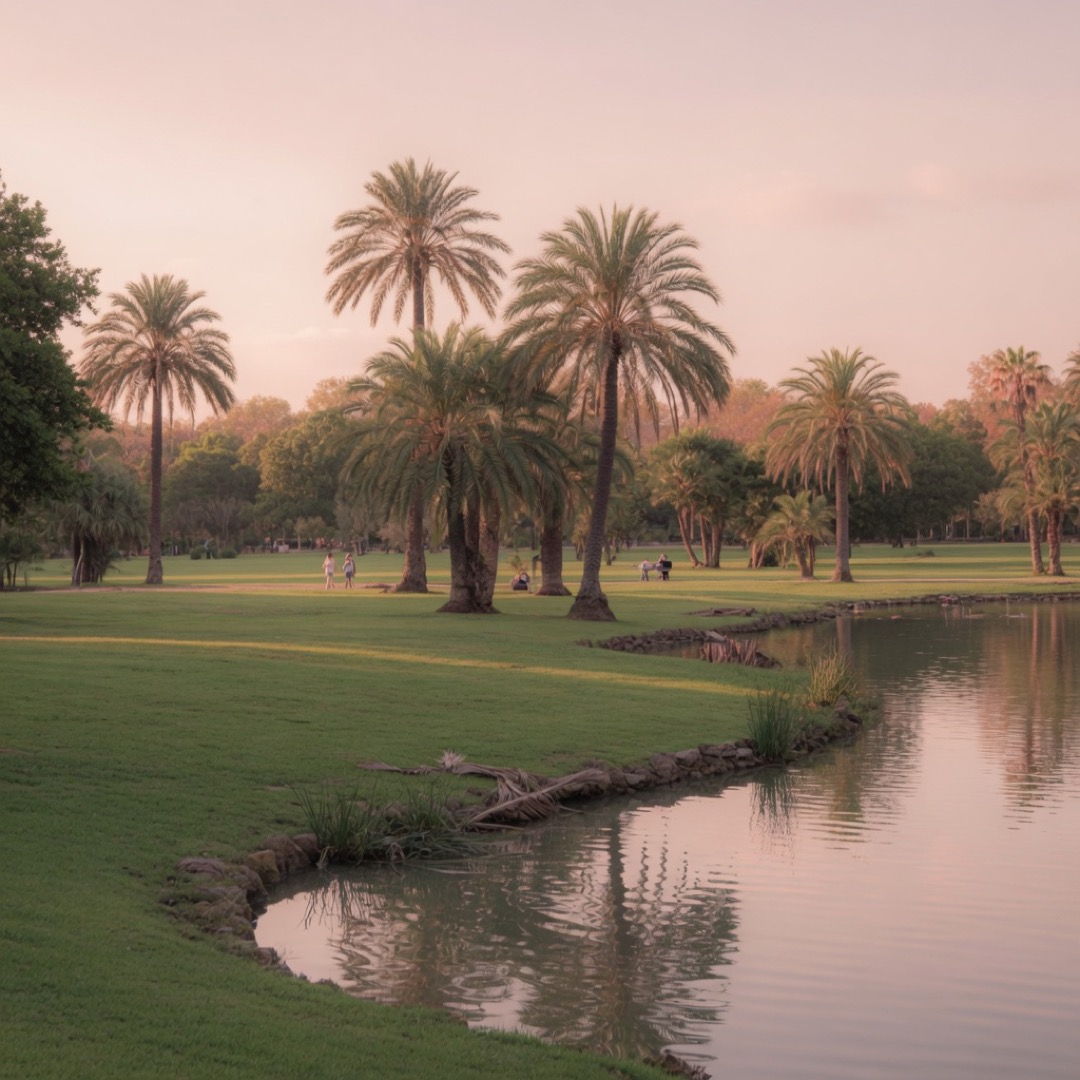
Why it works: latest-closing central park, zero ticket, and a built-in neighbourhood exit that makes the “keep going or call it” decision painless.
Caveat: weekends are busy with families and events; lake boats are a known fixture but hours weren’t on the official page we checked — don’t promise a boat ride, promise the park.
2. El Born — the walk-off after the park
Open-air streets — no gate hours; venues have their own hours. Natural walk-off from Ciutadella.
El Born is the neighbourhood that does the heavy lifting after a Ciutadella meet: medieval streets, the Santa Maria del Mar basilica, and a density of small bars and restaurants that makes “let’s just walk and see” a complete plan. It’s compact enough that you can’t get lost, dense enough that you never feel watched.
The street plan is the date structure: start at the park edge, drift toward the basilica, and let the squares decide where you stop. It’s the anti-checklist version of Barcelona — no booking required, no monument queue, just texture.
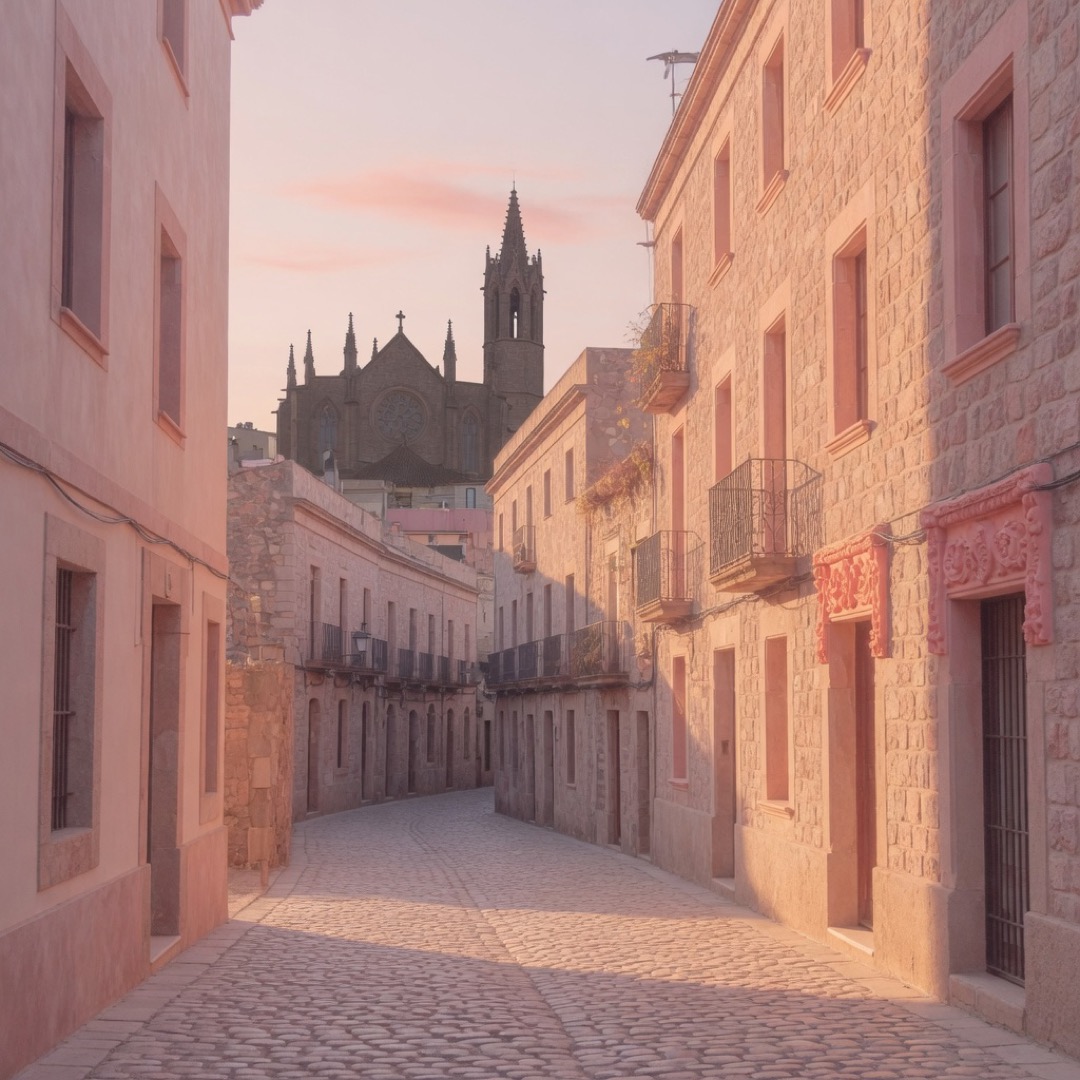
Why it works: the park exit is the neighbourhood; motion + density + instant food/drink options.
Caveat: peak evenings get loud and busy — if you want conversation over cocktails, pick a side street rather than the main drag.
3. Parc de Montjuïc — the hill of gardens
As a city park/gardens — open from 7:30–10:00 AM, close at dusk (7:00 PM winter / 9:00 PM summer per City Council). Built facilities on the hill (castle, museums) have their own hours — verify on the day.
Official tourism copy calls Montjuïc “one of Barcelona’s great green treasures” — and the description earns it: paths through botanical and themed gardens, an open-air sculpture route, and terraces with wide sea and city views. It’s the 1929 International Exhibition architecture layered with 1992 Olympic legacy, which makes every turn a different decade.
The hill is big enough to be its own date: meet at a garden, walk the sculpture route, and let the terraces decide where you stop. The castle ramparts at the top give 360° views over the port, open sea and skyline — that’s the endpoint, not the whole plan.
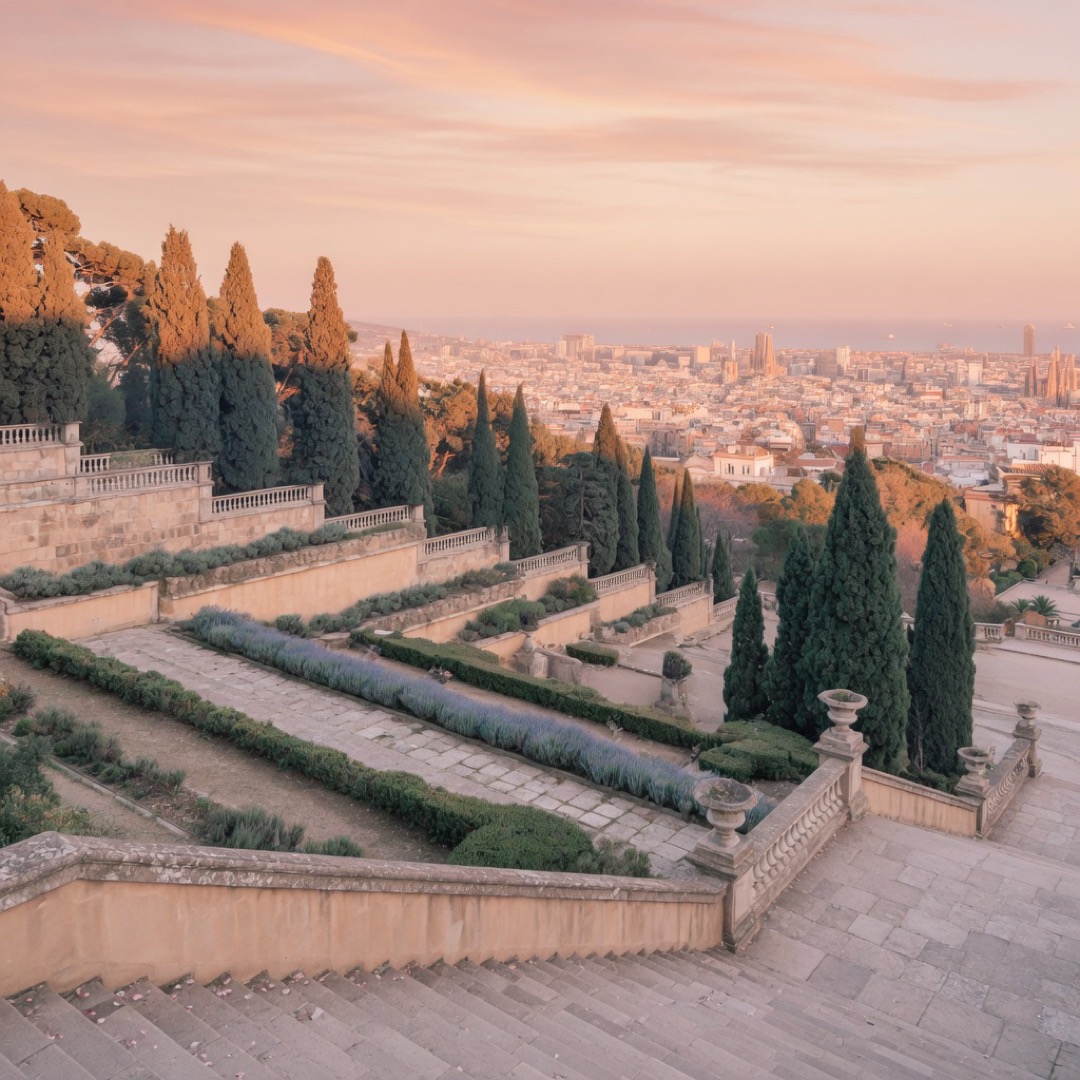
Why it works: a full afternoon of walking with views, gardens and graceful exits (funicular, cable car, bus) — you never have to commit to a destination.
Caveat: the hill is steep in parts and the free park closes at dusk — start early afternoon in winter so the walk isn’t cut short; built facilities close earlier than the park.
4. Jardins de Laribal — the sunset sculpture walk
Part of the Montjuïc gardens complex — city park hours apply (dusk close: 7 PM winter / 9 PM summer). Verify on the day.
The official tourism site singles out Jardins de Laribal as the sunset walk: a sculpted garden on the hill’s quieter flank, with terraces, fountains and the sculpture route that Montjuïc is known for. It’s where the tourist noise drops away and the hill feels like a garden again.
The structure writes itself: walk up through Laribal as the light drops, continue toward the castle ramparts or the viewing terraces, and let the sea view be the reward. It’s free, public, and every bench is a potential “let’s sit for a minute” beat.
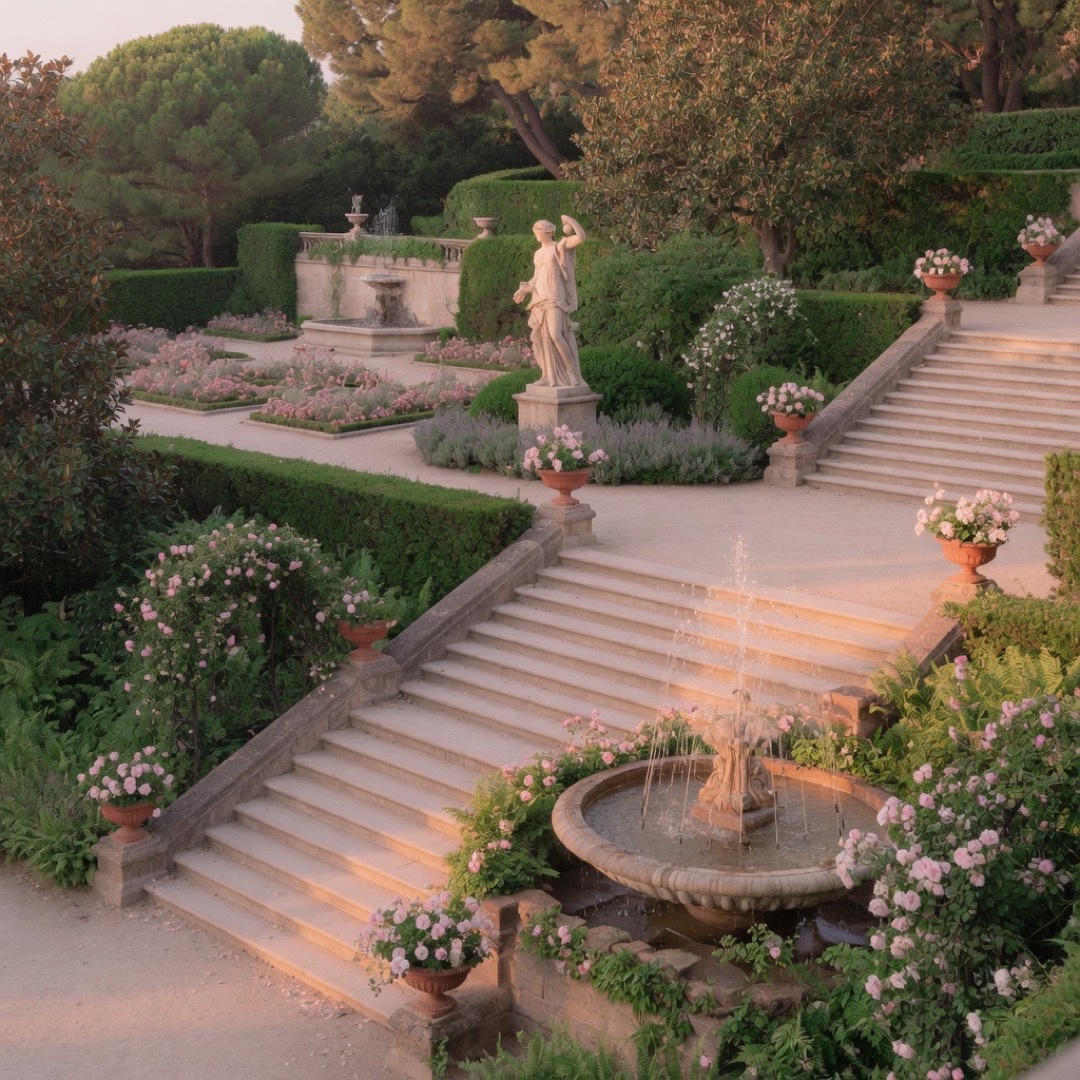
Why it works: the official sunset recommendation — golden light, sculpture, and a natural uphill-then-view flow.
Caveat: gardens close at dusk — time the walk so the view happens before the gates; bring water, the uphill is real.
5. Castell de Montjuïc — the fortress 360°
Mar–Oct 10:00–20:00 (box office closes 19:30); Nov–Feb 10:00–18:00 (box office 17:30); open Mon–Sun; closed 25 Dec & 1 Jan. Fees: general 12€, reduced 8€, free under-16, Sundays after 3 PM, and every first Sunday of the month; tickets only via the castle’s own website — verify before you go.
A 17th-century military fortress at the top of Montjuïc, officially branded “Barcelona’s 360º Overlook” — the ramparts look over the port, open sea, skyline and Collserola. It’s the hill’s most dramatic viewpoint, and the one that costs: 12€ general, free on Sundays after 3 PM and every first Sunday of the month.
Because entry is paid and time-boxed (it closes 6–8 PM by season), it works best as an afternoon walk endpoint or a planned mid-date stop — the free park below stays open later, so the fortress is a beat, not the whole evening. Tickets sell only through the castle’s own site; the official page warns against third-party sellers.
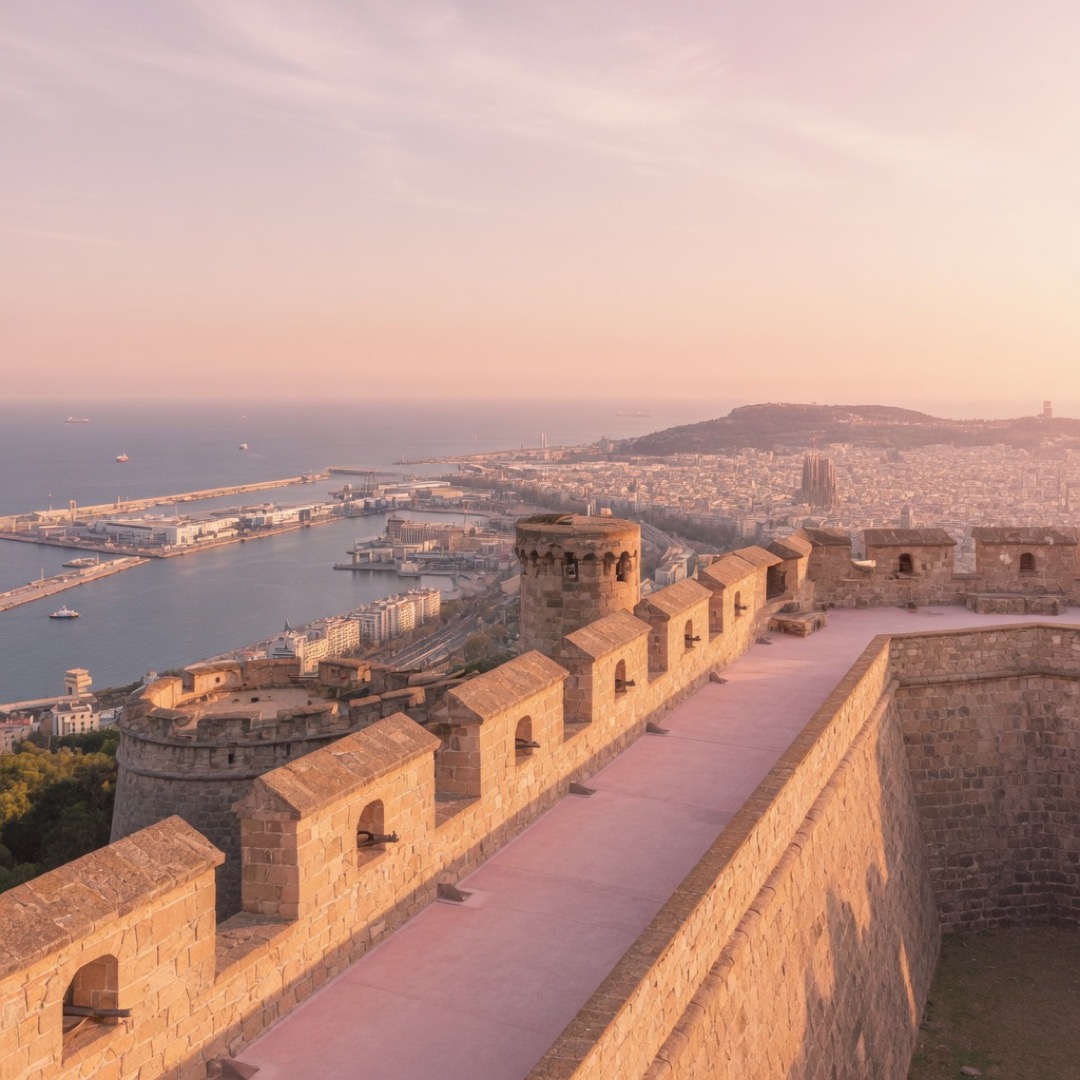
Why it works: a real “wow” viewpoint with a clear structure — arrive, look, walk down into the free park as it gets golden.
Caveat: paid and seasonal hours; free-entry windows (Sundays after 3 PM, first Sunday of the month) are popular — expect company; no pets, no bikes or skateboards inside.
6. Montjuïc cable car — the views without the climb
Seasonal operation; hours vary by season — check the official operator page before promising a ride.
The official tourism page offers the cable car as the effortless way up Montjuïc — and for a date it’s a perfect small event: a short ride with the city falling away below, then the hill’s gardens and views at the top. It turns “we’re going to a park” into “we took a cable car.”
Use it as the opening beat, not the whole plan: ride up, walk the hill, come down on foot or by funicular when the chat finds its pace. The ride itself is the shared novelty that kills first-meet small talk.
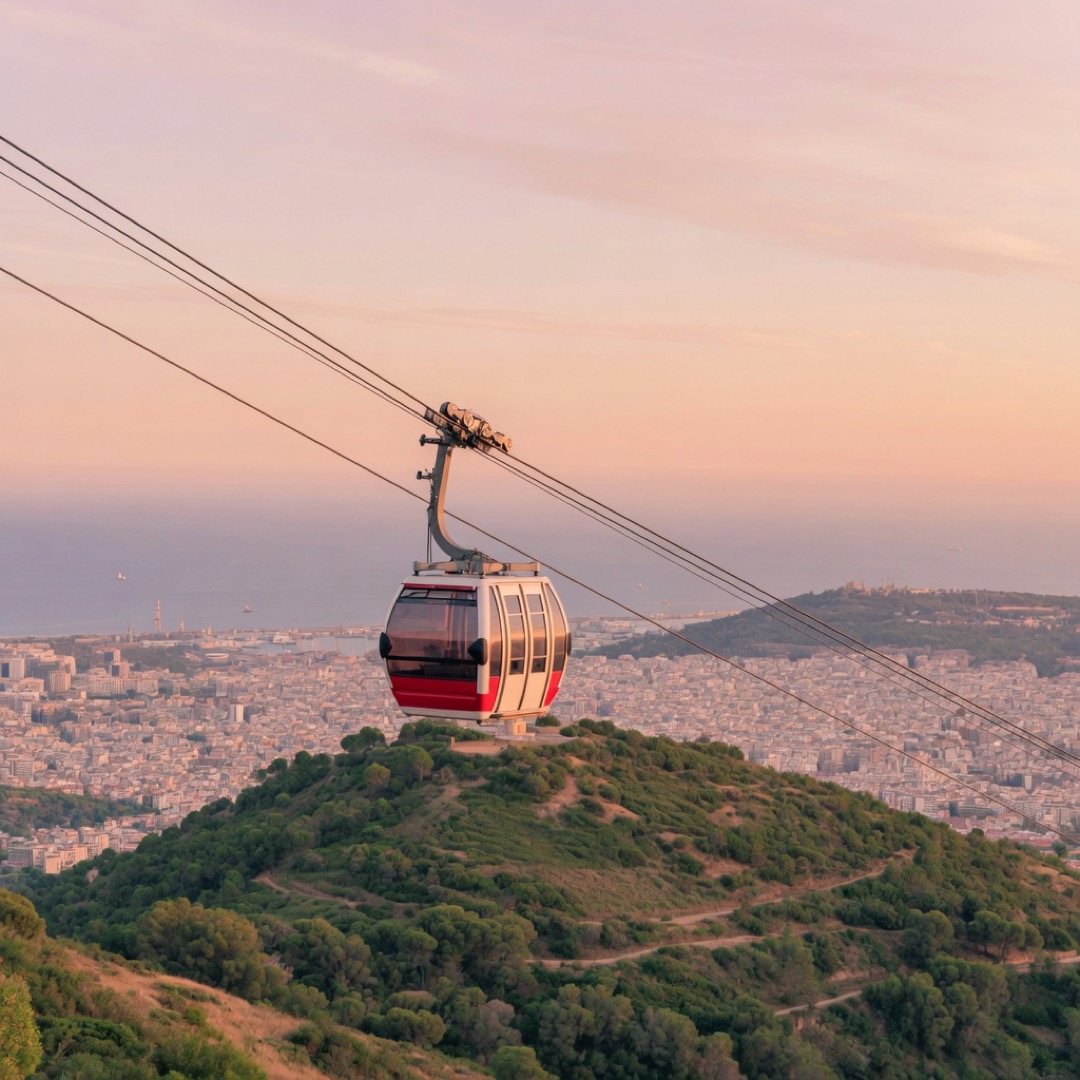
Why it works: novelty + view in one short ride; a natural time-box that doesn’t feel like a schedule.
Caveat: seasonal hours and queues in high season; if the cable car is closed (works happen), the funicular and buses still reach the hill — have a backup.
7. Jardí Botànic — the 14-hectare green pocket
Venue hours vary by season — check the official garden page before promising a time.
A 14-hectare Mediterranean-climate botanical garden on Montjuïc — the official tourism description leans on it as one of the hill’s quieter draws, with collections built around the world’s Mediterranean regions. It’s the calmest place in this guide: paths, shade, and a pace that forces the conversation to slow down.
The garden is a “second date” pin in the best sense: once the first-meet energy is past, this is where you walk slowly and find out if you can just be quiet together. Check hours first — it’s a venue with its own schedule, not an open park.
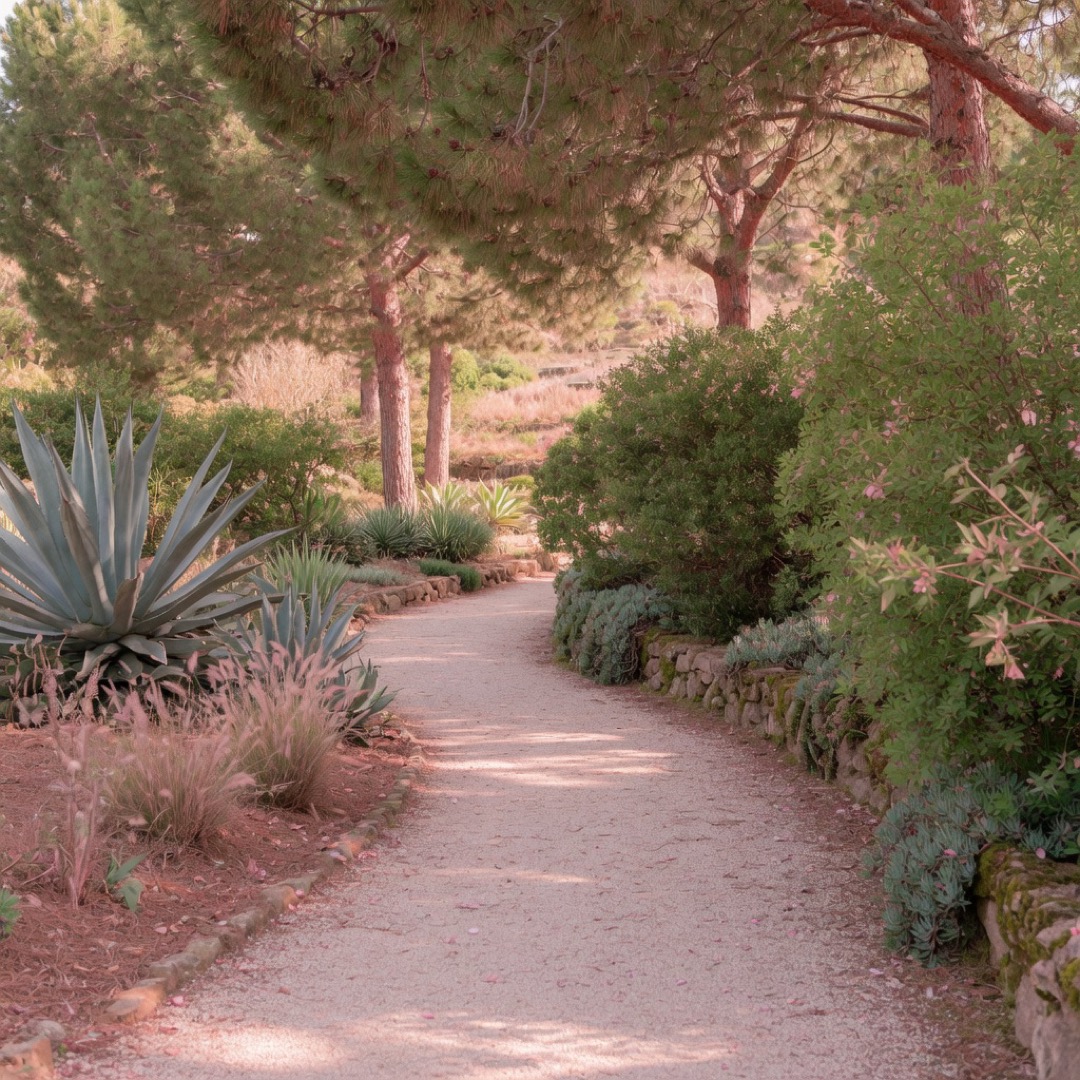
Why it works: shade and silence in a city of crowds; the opposite of the tourist circuit without leaving the hill.
Caveat: ticketed and time-boxed (not a free open park) — confirm hours and entry before you pin it; the free gardens outside are the fallback.
8. MNAC terraces — the museum you can skip
The museum has its own hours and ticket policy — the terrace/esplanade outside is the free public part; check the museum page if you plan to go in.
The Palau Nacional — home of MNAC — sits at the top of the Magic Fountain esplanade, and its steps and terraces give one of the cleanest views down the hill toward the city. The museum is ticketed; the terrace is free, which makes it the perfect “we could go in, or we could just sit here” moment.
It works best as a pause on the Montjuïc walk: sit on the steps as the light drops, decide together whether the museum deserves an hour, and let the fountain esplanade be the stage below. No pressure either way — that’s the point.
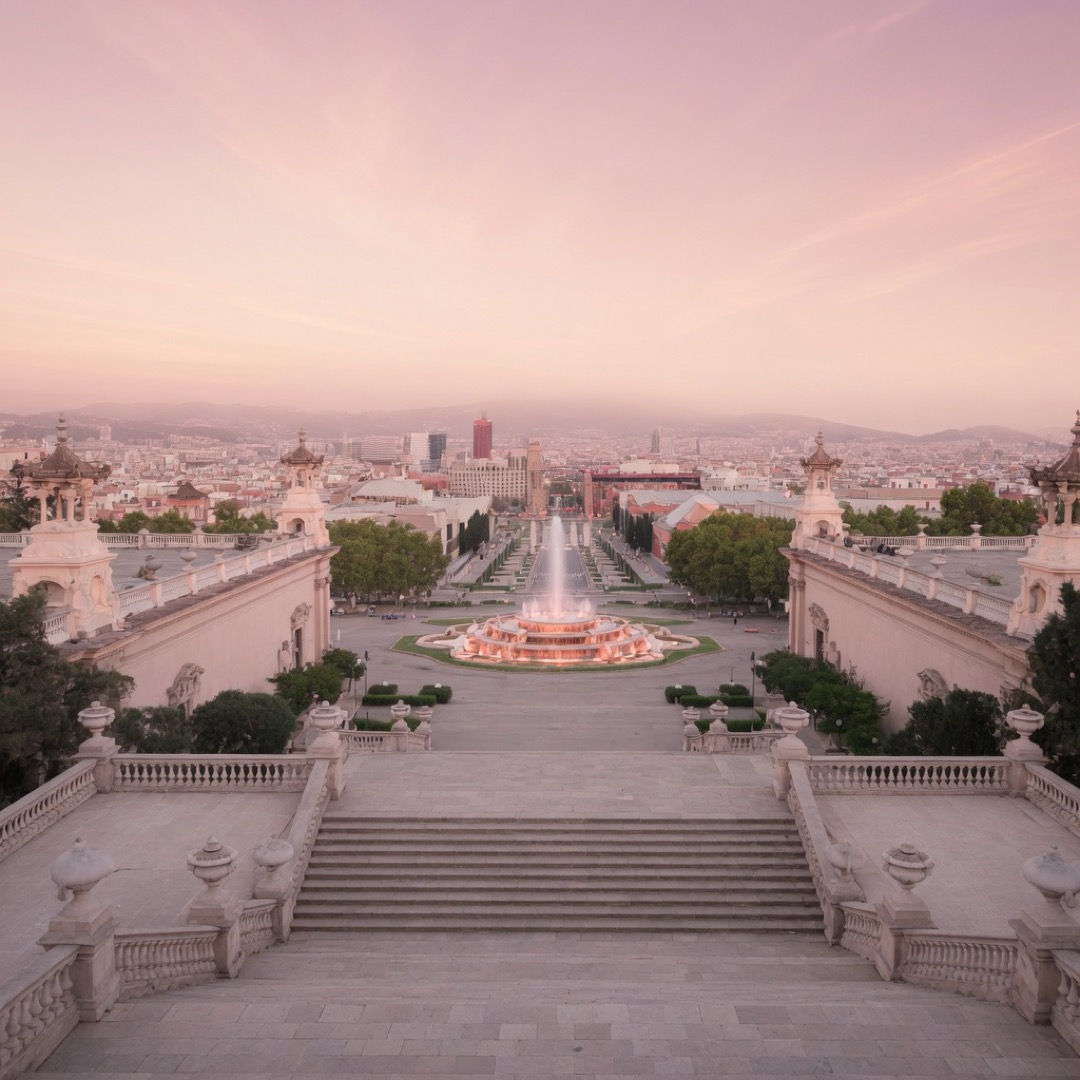
Why it works: a grand setting with zero obligation — the terrace is the date, the museum is optional.
Caveat: the esplanade fills at sunset and on fountain-show evenings; if you want quiet, go earlier or sit on the side terraces.
9. Tibidabo Panoramic Area — the free highest viewpoint
Official page: the Panoramic Area is open every day (seasonal notes and holiday exceptions apply); exact daily schedule is on the separate Schedules page — check it before quoting hours. Attractions are individually ticketed; the viewpoint itself is free.
Tibidabo is Barcelona’s highest peak — 500 metres above sea level — and the official page promises “a freely accessible space with the best views of Barcelona”: the whole city, the sea, and the Collserola park behind. The historic amusement park (one of the oldest in the world) sits alongside, so the terrace has a slightly surreal, nostalgic energy.
The structure is clean: meet at the funicular, ride up, stand on the free panoramic terrace, and buy nothing. If the chat has legs, the Sky Path nature walk extends the date; if not, the funicular down is a graceful exit.
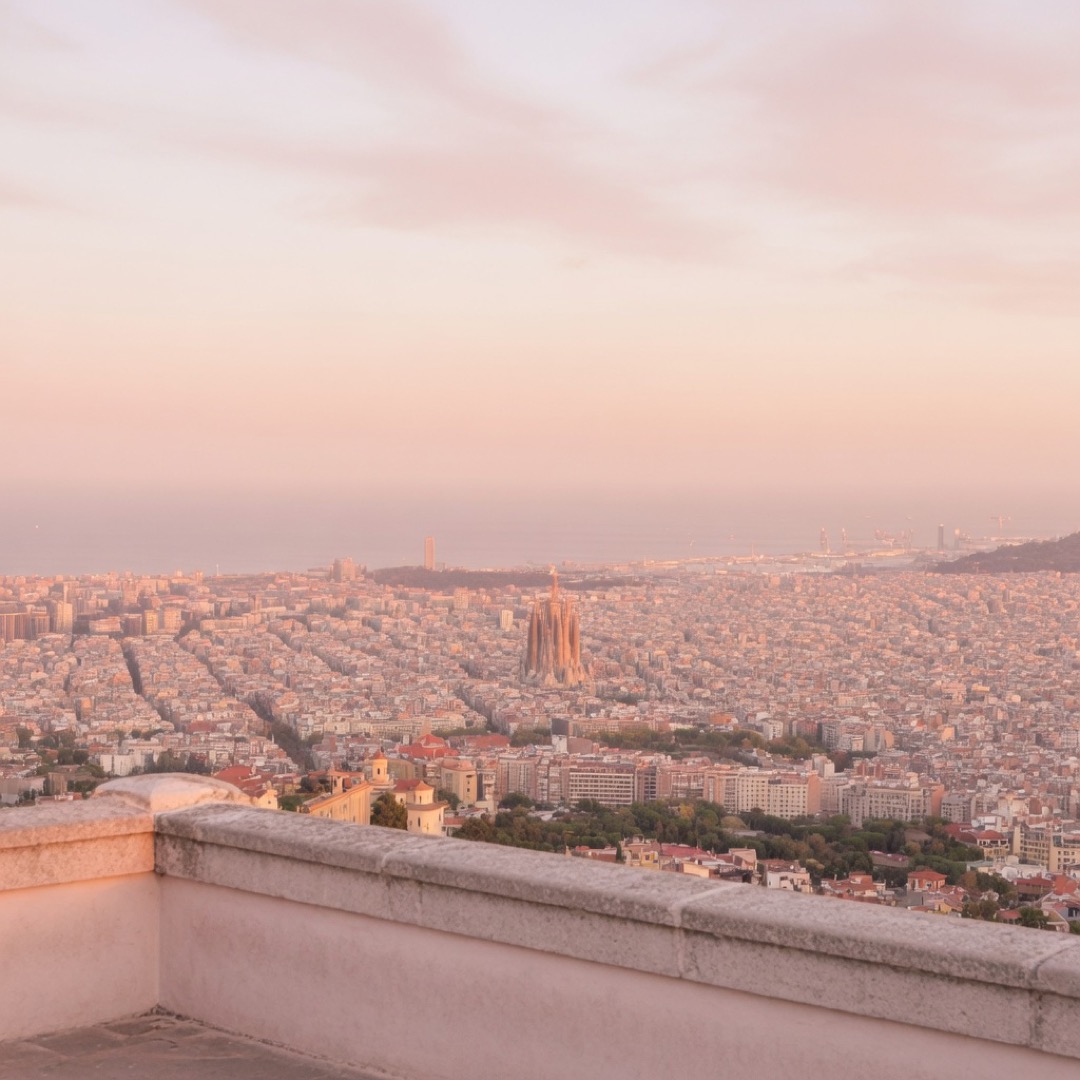
Why it works: free viewpoint with the best elevation in the city, plus a built-in “ride” that makes arrival feel like an event.
Caveat: it’s a day trip from the centre — budget funicular time; seasonal schedule changes, so check the Schedules page before promising a slot; the terrace is popular at sunset.
10. Bunkers del Carmel — the sunset skyline
Open-air site; no fixed official hours on the pages we checked — treat as open-air day-and-night, but verify before you go (MUHBA manages the site and may post notices).
The former civil-war anti-aircraft battery is now the city’s most famous free skyline: 360° views that include the Sagrada Família and the beach, with a picnic-on-concrete vibe that locals have claimed as their own. It stopped being a secret years ago — the best perching spots go 30 minutes before sunset even on a weekday.
The move is to arrive at least an hour before sunset, claim a spot, and watch the city change colour. Sunrise is the quiet alternative if you’re both morning people. Access is a 12–15 minute uphill walk from the bus, or a steep 25–30 minute climb from the metro — sturdy shoes, and a phone light for the dark descent.
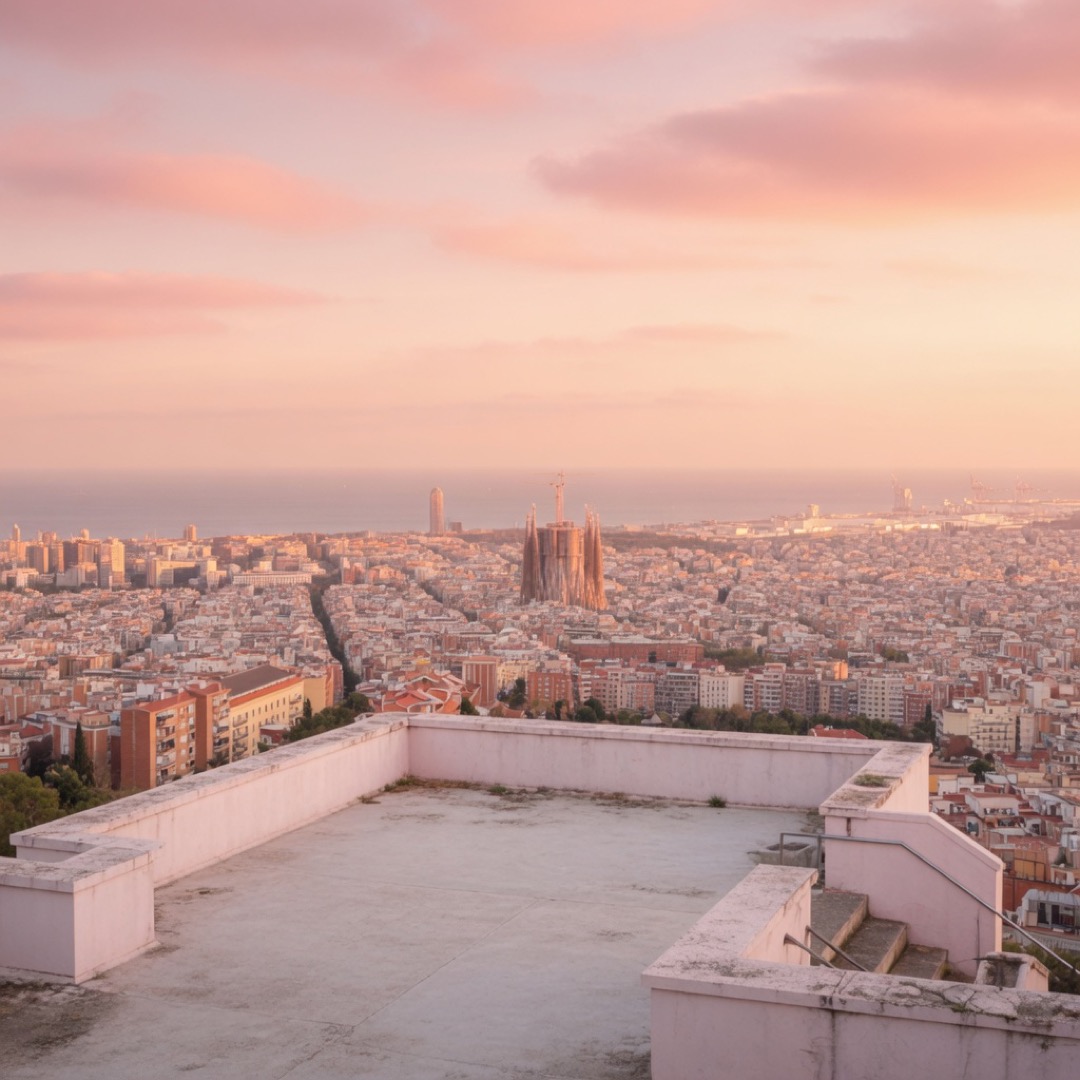
Why it works: the city’s most dramatic free sunset, with a casual picnic energy that suits a first meet that wants to feel like a hangout.
Caveat: crowded at sunset, steep access, no official hours page — not for mobility-limited or dress-shoe dates; bring a light for the way down.
11. Barceloneta beach — the sea as the plan
Open-air beach and promenade — no gate hours; beach bars and facilities have their own seasonal hours.
Sometimes the plan is just “the sea”: Barceloneta’s beach and promenade give you a long, flat walk with the Mediterranean as the backdrop and the city skyline behind you. It’s public, free, and the least rehearsed first-meet in this guide — nobody performs on a beach.
Meet at the metro end, walk the promenade toward the W hotel or the other way toward the port, and let the waves do the soundtrack. If the talk works, a beach bar or the walk back into El Born extends it; if not, every metro stop is an exit.
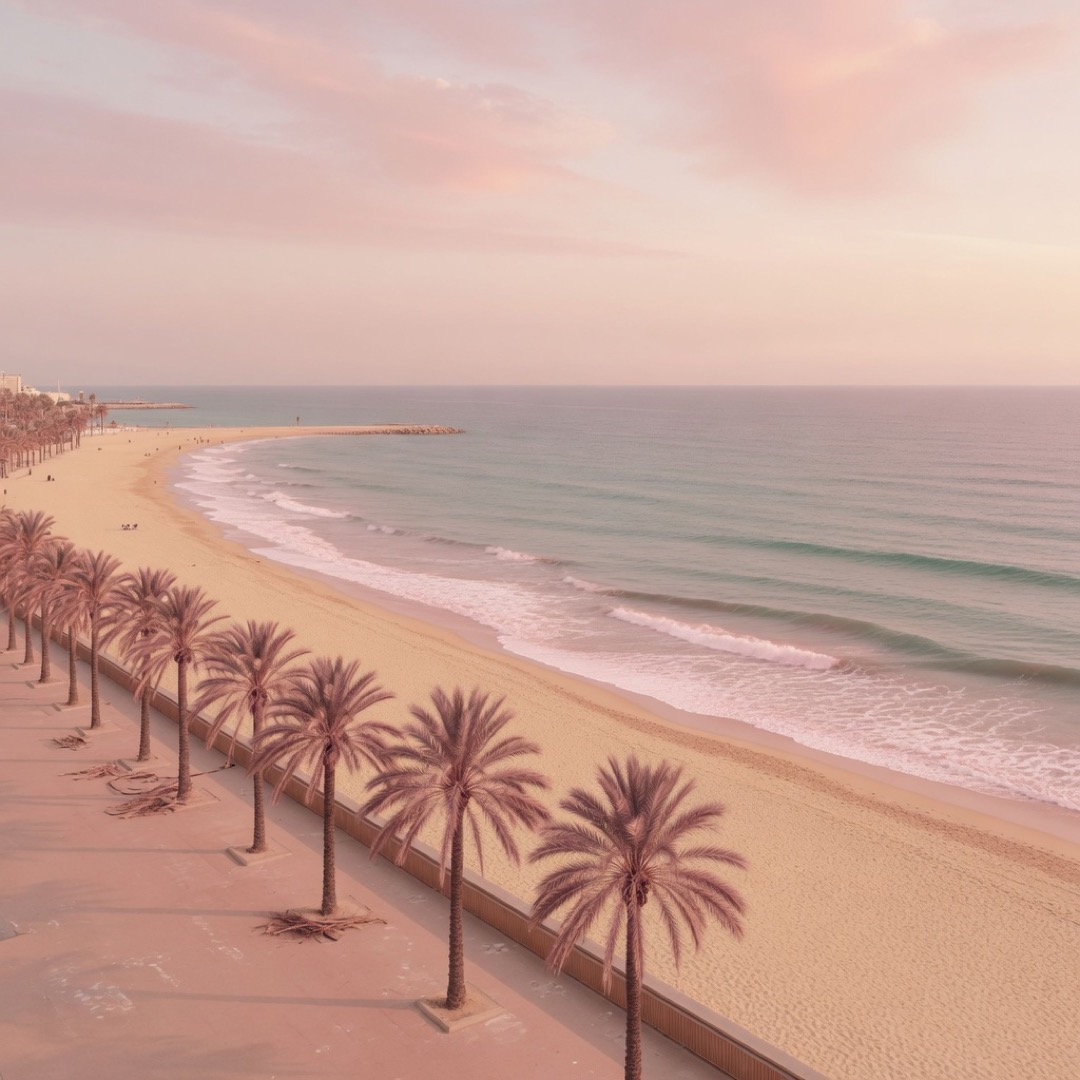
Why it works: motion + sea + zero pressure; the most forgiving daylight pin in the city.
Caveat: peak summer weekends are shoulder-to-shoulder — go morning or late afternoon; wind can be strong near the water, bring a layer.
12. El Putxet / Turó Park — the quiet neighbourhood green
City park hours apply — open from 7:30–10:00 AM, close at dusk (7 PM winter / 9 PM summer per City Council). Verify on the day.
When the centre feels like a stage set, the residential hills above it hold small parks where the city actually lives. Turó Park is one of the calmest: green terraces, neighbourhood regulars, and none of the souvenir-shop texture of the old town.
It’s the right pin when you both already know the tourist Barcelona and want air. Meet on a bench, walk the terraces, and drift into one of the surrounding neighbourhood cafés when the conversation earns a coffee.
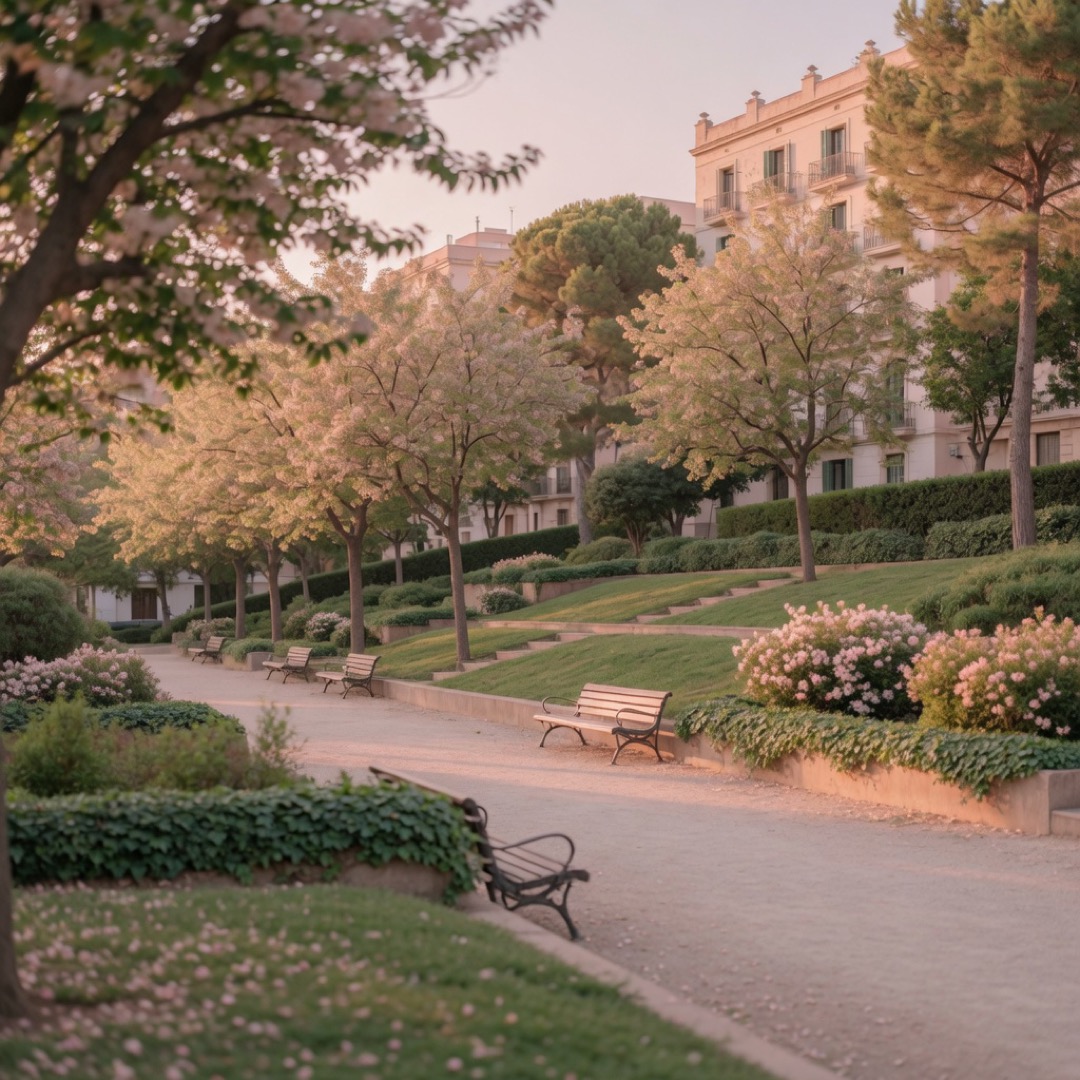
Why it works: local pace, no crowds, a genuine “this is where people live” beat.
Caveat: small on purpose — it’s a pause, not a half-day; dusk closing applies, so don’t plan a late-night sit.
Ready-made itineraries
Golden-hour first meet (2–3 hours)
- Ciutadella lawns (open late) → walk into El Born → drink on a side street. The default: free, central, and the exit is everywhere.
Montjuïc sunset (3–4 hours)
- Jardins de Laribal walk at golden hour → up to the castle ramparts or the MNAC terrace → down through the gardens as the light drops. Free except the castle; graceful exits everywhere.
Highest view (2–3 hours)
- Funicular up to Tibidabo → free panoramic terrace → Sky Path if the chat has legs → funicular down. The “over the whole city” moment.
Sunset picnic (2–3 hours)
- Bunkers del Carmel an hour before sunset → watch the skyline change → dark descent with a phone light → late snack in El Carmel or Gràcia. The city’s most iconic free sunset.
Sea afternoon (2–3 hours)
- Barceloneta metro → promenade walk → beach bar or walk into El Born → done. The least rehearsed date in this guide.
Practical notes (Barcelona-specific)
- Public first meets are normal in Barcelona. Tell a friend where you are.
- Metro and funicular beat optimism — build buffer; “I’m at the Ciutadella lake entrance” saves fights.
- Sunset is the city’s main event — arrive at viewpoints an hour early; the good spots go fast.
- Dusk closes the parks — 7 PM winter / 9 PM summer for most; Ciutadella stays to 10:30 PM because it hosts city facilities.
- Paid is optional — the city’s best views (Tibidabo terrace, Bunkers, Montjuïc gardens) are free; the castle and museums are the only tickets in this guide.
- Always verify before you visit — hours, access, and conditions change.
Want company for one of these plans?
Dating Me is an anonymous board for pinning real-world meet ideas — walks, views, low-key plans — with a time window.
Browse what is up in Barcelona or pin your own on Dating Me — filter to Barcelona, or open Nearby sorted by soonest meet.
No obligation to message anyone. Public places only. Tell a friend where you are going.
Editorial guide for Dating Me. Images are Soft Blush renders inspired by real places — not claimed as documentary photography of interiors.