
Best places in Rome for a real-world date
🇮🇹 Rome, Italy
Information is based on data we researched and found. Hours, access, and conditions change — always verify before you visit.
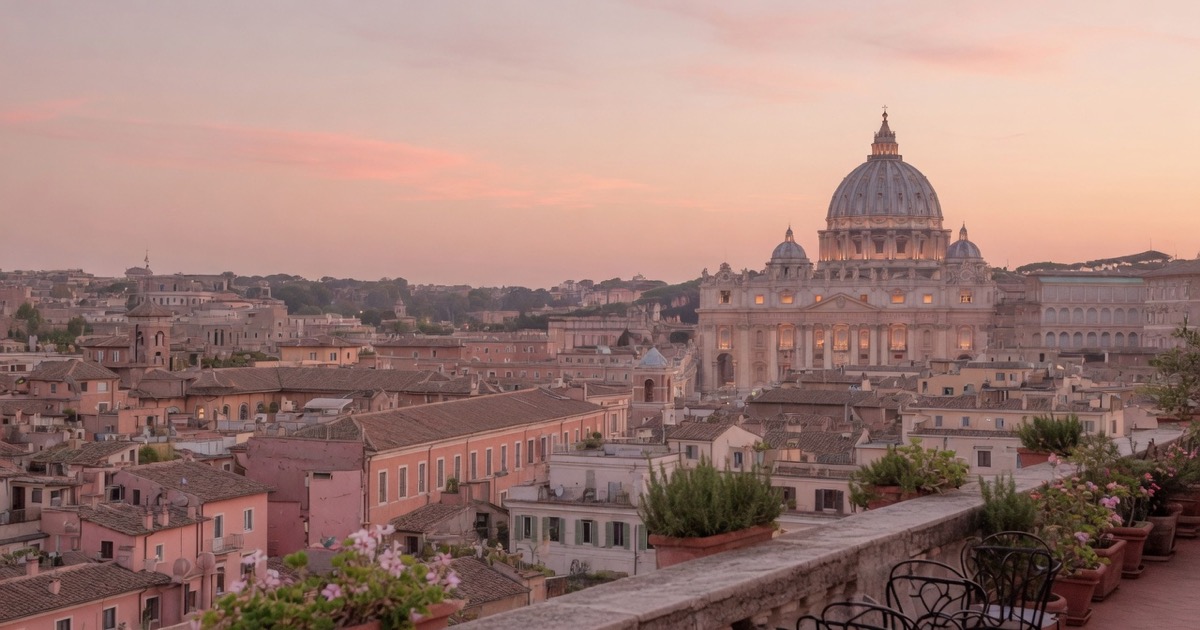
Rome will eat a first date alive if your plan is “Colosseum, Trevi Fountain, then dinner in a tourist trattoria” — that’s a queue, a coin toss, and a mediocre bill.
It gets generous if you treat the city like a hill-and-park walk with a reason to stop. The best meets here are public and free: an orange garden on the Aventine with a classic panorama, Rome’s central villa that never closes, a promenade above Trastevere where the whole skyline shows up at sunset, and the Appian Way — the original long walk. You talk while you move, and the monuments do the small talk for you.
This is a human shortlist of places that work for showing up — not a ranking of “best restaurants in the capital.” Addresses and hours are grounded in official city pages; hours move and parks have seasonal and even unusual schedules, so verify on the day before you promise a gate time.
If you’re already in town and want to see who’s pinning a plan, that’s what Dating Me is for — anonymous stickies, not hotel ads. Filter to Rome or open Nearby.
How we picked these
- Public access first (parks, belvederes, promenades, archaeological routes).
- A clear meet pin you can text without a thesis.
- Mix of park / hill / view / walk / archaeology.
- Facts from official Turismo Roma, Sovrintendenza Capitolina, and Appia Antica park pages — no invented hours.
- Honest about seasonal hours and current closures — two Appia sites are closed for restoration since June 2026; we don’t list them as visitable.
1. Giardino degli Aranci — the Aventine belvedere
Open daily — Oct–Feb 07:00–18:00; Mar–Sep 07:00–20:00; Apr–Aug 07:00–21:00. Free. Seasonal windows move — verify on the day.
A small 1932 garden set inside 13th-century Savelli fortress walls on the Aventine, named after the orange trees planted in memory of San Domenico. The belvedere gives one of Rome’s classic panoramas — the Tiber bend, the rooftops, St. Peter’s dome on the horizon.
It’s tiny on purpose: the whole date can be twenty minutes — the garden, the view, then a slow walk down toward Circus Maximus or Testaccio. Free, calm, and easy to find; sunset is the peak time, so expect company at golden hour. No toilets or food inside — the nearest bars sit on via di Santa Sabina and by Circo Massimo.
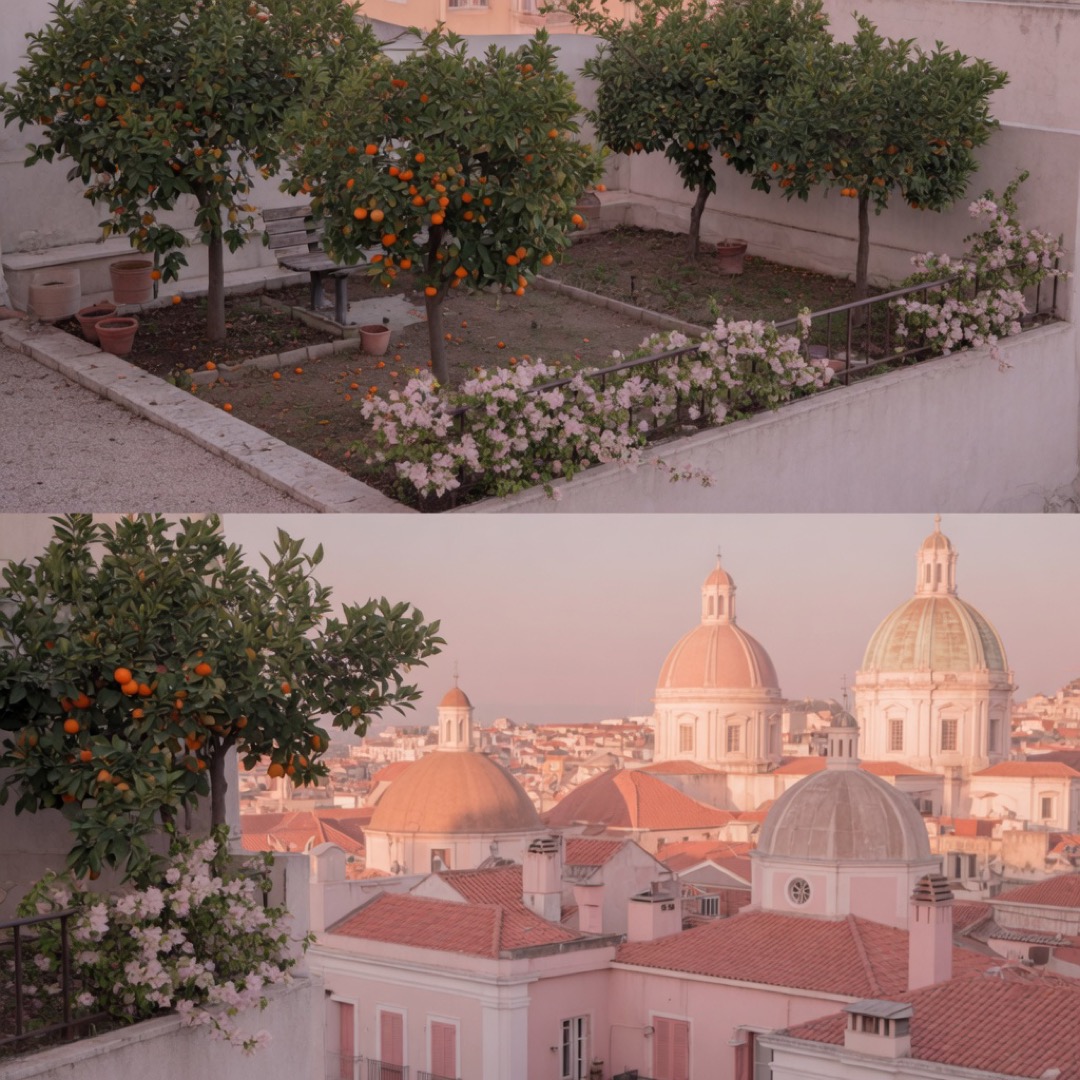
Why it works: a complete, low-pressure date in a tiny space with a postcard view and a natural downhill exit.
Caveat: peak at sunset; bring your own water and plan the café stop outside the garden.
2. Piazza dei Cavalieri di Malta — the keyhole
Open-air square — always accessible; the keyhole is in the priory gate. No gate hours.
Piranesi designed this square in 1765 — obelisks, garlands, and a famous gate whose keyhole frames St. Peter’s dome at the end of a manicured avenue. It’s the most efficient “wow” in Rome: you stand in line a few minutes, look, and leave with a story.
Pair it with the Orange Garden next door: meet at one, walk the thirty seconds to the other, and you have two views and one tiny neighbourhood loop. It works best as a beat between places, not a destination.
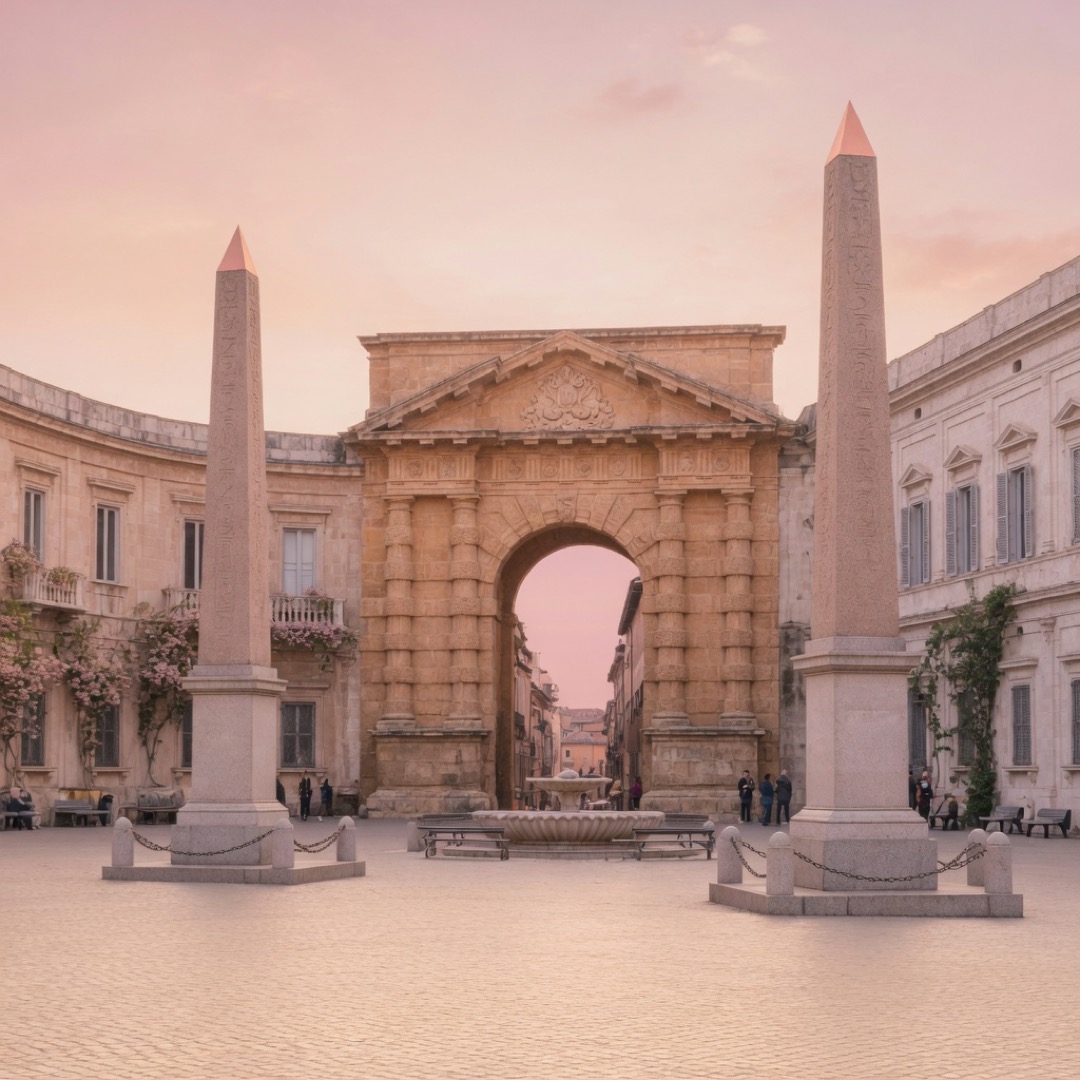
Why it works: zero cost, zero time, a genuine surprise that gives the date an inside-joke quality.
Caveat: there can be a short queue at the keyhole; if the line is long, the garden belvedere is the plan and this is optional.
3. Villa Borghese — the central park that never closes
Park always open. Buildings inside — Galleria Borghese, Bioparco, museums — have their own hours and tickets. Verify museum hours separately.
Rome’s most central “easy” park: 80 hectares of lawns, pines and gravel paths that grew around the 1606 Casino Nobile (now the Galleria Borghese with its Caravaggios and Berninis). Public since 1903, and it shows — joggers, families, students, everyone’s here.
The genius is the exits: Piazza del Popolo, the Pincio terrace, Via Veneto, the Flaminio metro — there is always a low-pressure way out. Meet at a gate, walk the lake, sit on a bench, and let the park decide the pace. If the chat has legs, the museums and the sunset terrace are already on site.
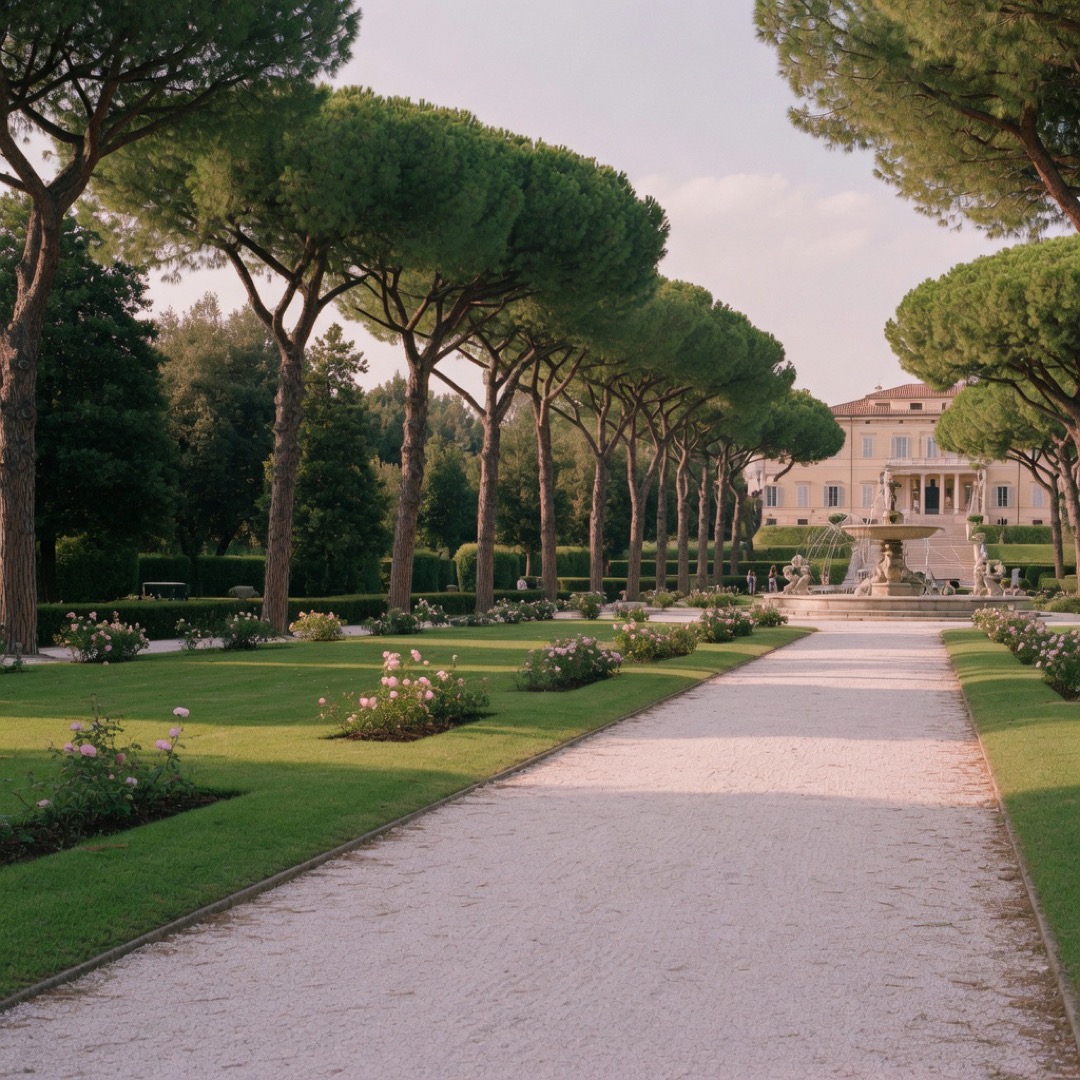
Why it works: always open, endlessly walkable, and every direction out is a graceful exit.
Caveat: weekend afternoons are busy with families and joggers; weekday mornings are the calm version.
4. Giardino del Lago — the lake with a temple
Park always open; the lake area follows park hours; rowboats operate seasonally — check on site.
The 1786 lake garden is the park’s heart: an artificial lake with the little Tempietto di Esculapio on an island, and rowboats that turn “let’s walk” into “let’s do something.” It’s the least serious corner of Rome’s most serious city — and that’s the point.
Use it as the second beat of a Borghese date: walk in, stop at the lake, decide together whether the boats are happening. The temple gives you the “look at that” moment, the boats give you a time-boxed shared task if you want one.
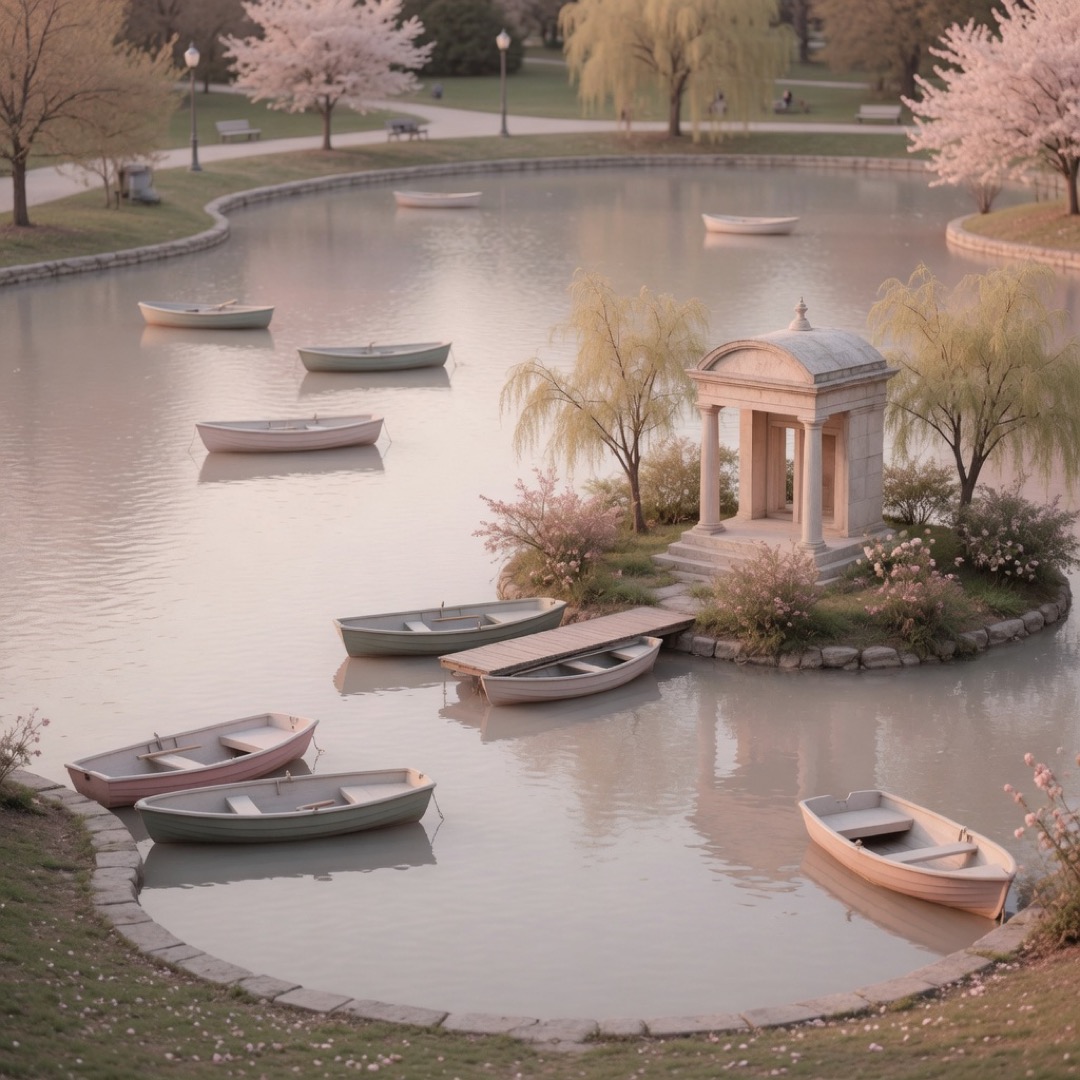
Why it works: a built-in activity that needs no booking and no skill; the lake is the park’s natural meeting point.
Caveat: boats are seasonal and weather-dependent; the lake edge is popular — go early for the quiet version.
5. Pincio terrace — the sunset balcony
Open-air terrace — always accessible with the park.
The Pincio is Borghese’s balcony: a wide terrace above Piazza del Popolo with one of the most photographed Rome skylines — domes, rooftops, and the city rolling west. It’s free, flat, and five minutes from the park gates.
It works as the golden-hour finale of a Borghese date: walk the park, land on the terrace as the light drops, then drift down to Piazza del Popolo or back toward the centre. The terrace fills at sunset — arrive a little early and lean on the balustrade like you planned it.
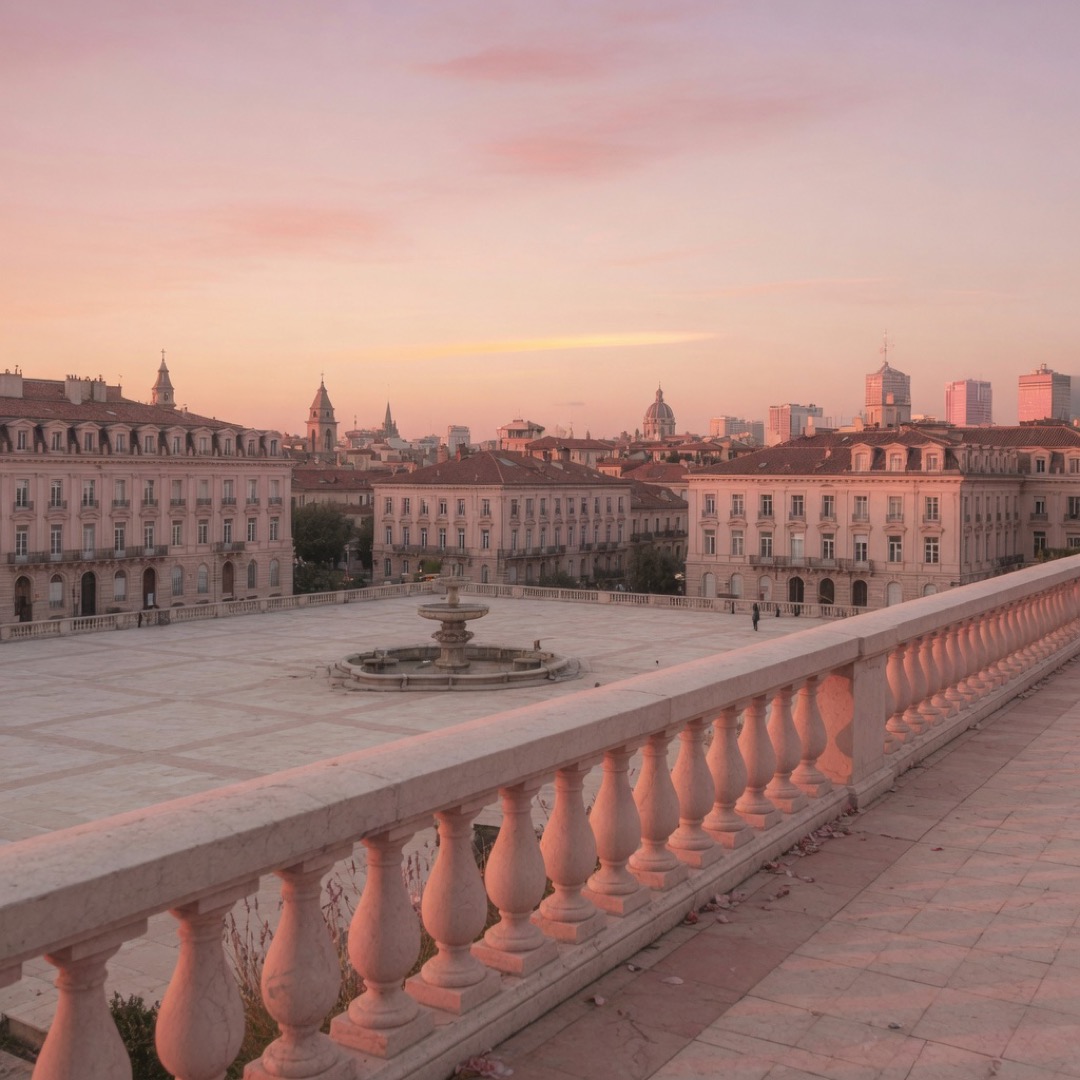
Why it works: a postcard view with zero ticket, positioned perfectly between park and city.
Caveat: crowded at sunset with tour groups; the railing spots go fast — the terrace is wide, so find your own bit of balustrade.
6. Passeggiata del Gianicolo — the walk above Trastevere
Always accessible. Free.
Two plane-tree avenues meeting at piazzale Garibaldi, with one of the most famous panoramas of Rome’s historic centre — St. Peter’s, the Vatican, Trastevere’s rooftops. Created in 1883–1896 as a public walk commemorating the 1849 defence of the Roman Republic, and lined with 84 busts of Garibaldi’s heroes plus the big equestrian monument.
Start near the Fontana dell'Acqua Paola or Porta San Pancrazio, stroll the belvedere, and end down in Trastevere for aperitivo or dinner. A noon cannon has fired daily since 1904 — if you time it right, the boom is part of the date.
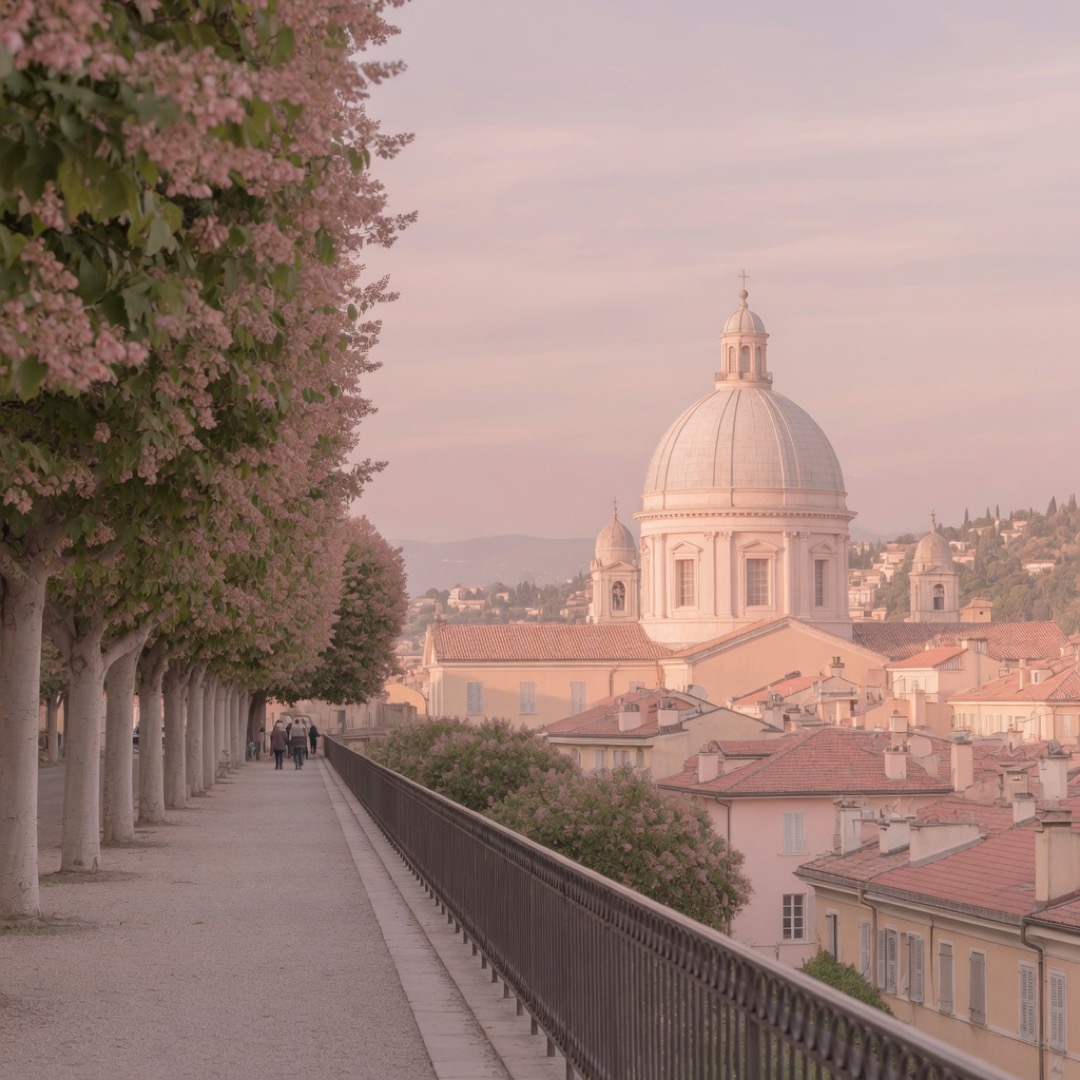
Why it works: a walk with a destination and a neighbourhood payoff; sunset is the draw and Trastevere is the exit.
Caveat: crowded at golden hour; the promenade has refreshment points at piazzale Garibaldi and piazza Sant'Onofrio, so you don’t have to plan drinks ahead.
7. Fontana dell'Acqua Paola — the fountain start
Open-air fountain and square — always accessible.
The enormous early-1600s fountain is the perfect Gianicolo meet pin: you can’t miss it, nobody needs a map, and “I’m at the Acqua Paola fountain” is a complete sentence. It’s also where the classic promenade walk naturally begins.
Meet here, take the obligatory fountain photo, then walk the belvedere toward piazzale Garibaldi as the light drops. The fountain itself is a ten-minute beat; the walk is the date.
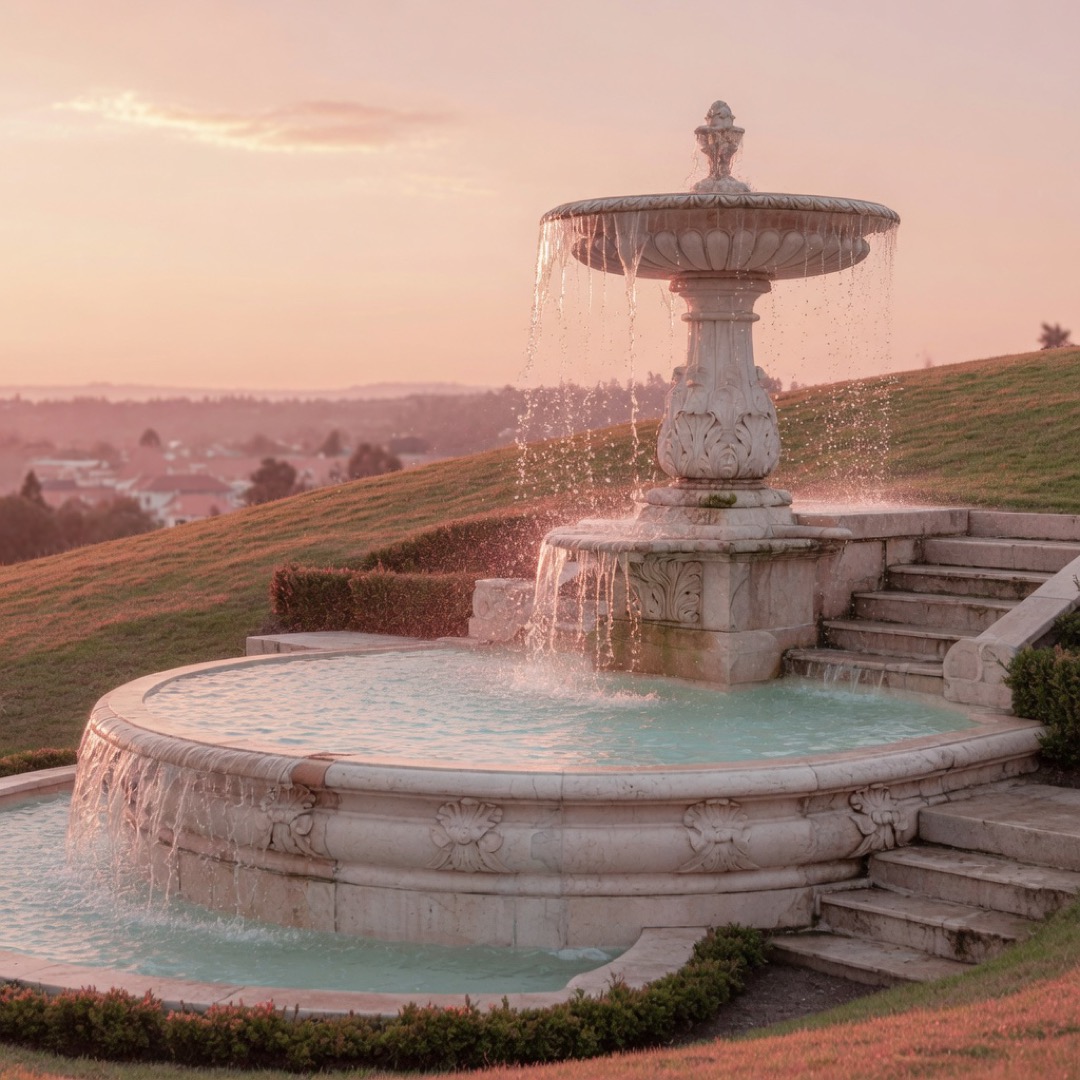
Why it works: the clearest landmark on the hill, with the whole promenade as the follow-through.
Caveat: the square can have tour groups mid-day; early evening is the human version.
8. Villa Doria Pamphilj — the big quiet park
Two daily windows by season — morning 06:30–08:30 plus an evening window (17–19 Nov–Feb; 19–21 Mar–Apr & Sep–Oct; 20–22 May–Aug), with a midday closure; service contract runs to 31 Dec 2027. This schedule is unusual — verify via official pages before pinning a time.
Rome’s largest historic landscaped park — 184 hectares, the Pamphilj country residence expanded under Innocenzo X in the 1600s, with the Casino del Bel Respiro and the monumental Arco dei Quattro Venti entrance. It feels like the city’s real park: locals jogging, kids’ playgrounds, dog areas, nature trails, wide pine avenues.
It’s quieter and more authentic than the central parks — but the restricted gate schedule is a real planning constraint. Plan for a morning or evening window, not a midday stroll, and check the official page before promising a time.
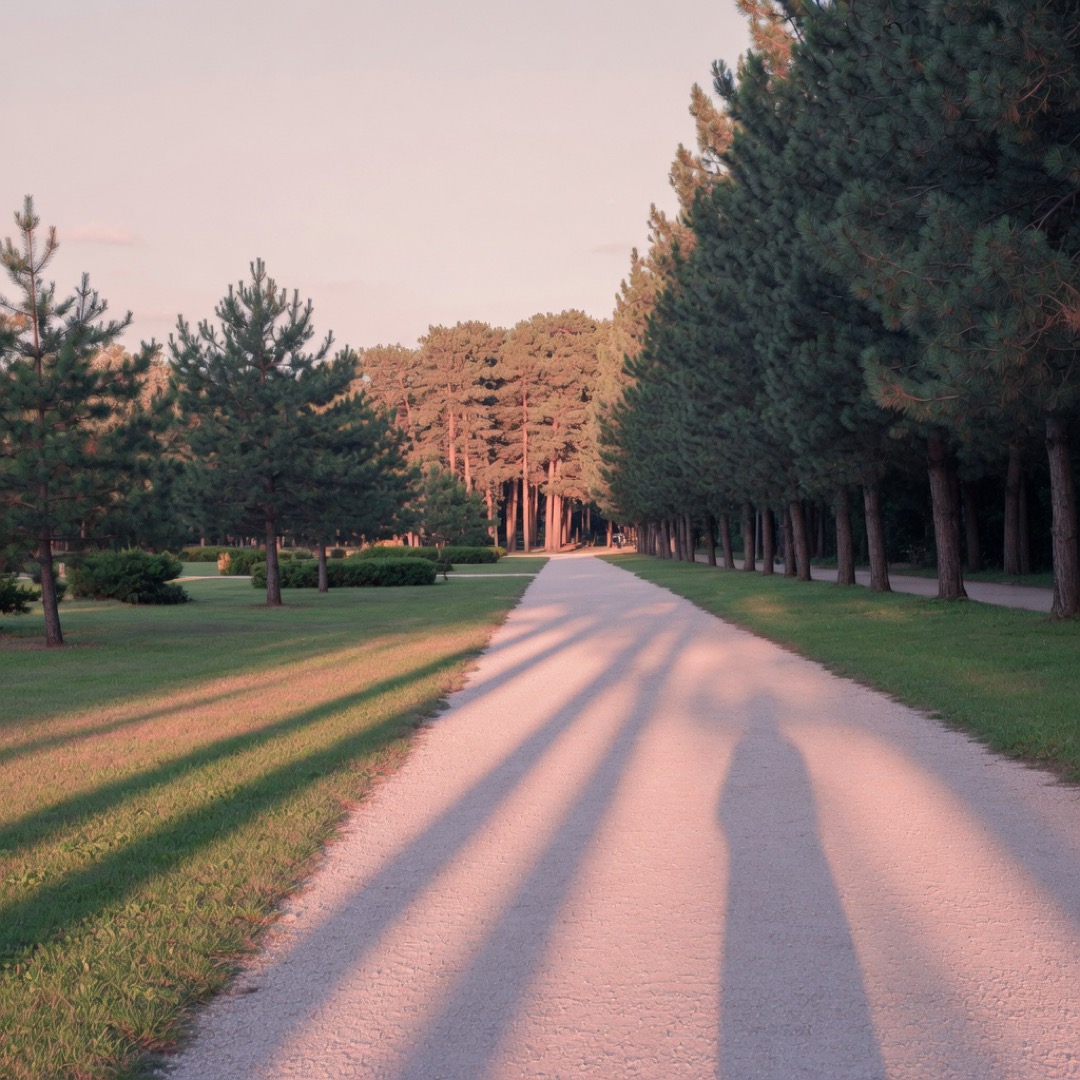
Why it works: the most “local” green space in this guide — space to breathe without the tourist soundtrack.
Caveat: the two-window schedule (morning + evening, closed midday) is unusual; wheelchair paths are partial (gravel and slopes).
9. Parco Archeologico dell'Appia Antica — the original long walk
Sites open Tue–Sun — Oct 9:00–18:30; Nov–Feb 9:00–16:30; Mar 9:00–18:30; Apr–Sep 9:00–19:15; last entry 30–75 min before close. Park pass EUR 12 / 7 days; free under-18. Verify on the day.
The Appian Way — UNESCO World Heritage since 2024 — is Rome’s adventure date: a long straight road of basalt cobbles past catacombs, tombs and the Mausoleo di Cecilia Metella, walkable or bikeable for miles with room to actually talk. The park pass covers all sites for seven days.
Two Appia sites — the Tombe della Via Latina and Capo di Bove — are temporarily closed for restoration since 22 June 2026, so don’t build the plan around them; the road itself, the mausoleum and the open countryside are the draw. Logistics need planning: buses are the smart access, parking is very limited, and bike rental has its own seasonal hours.
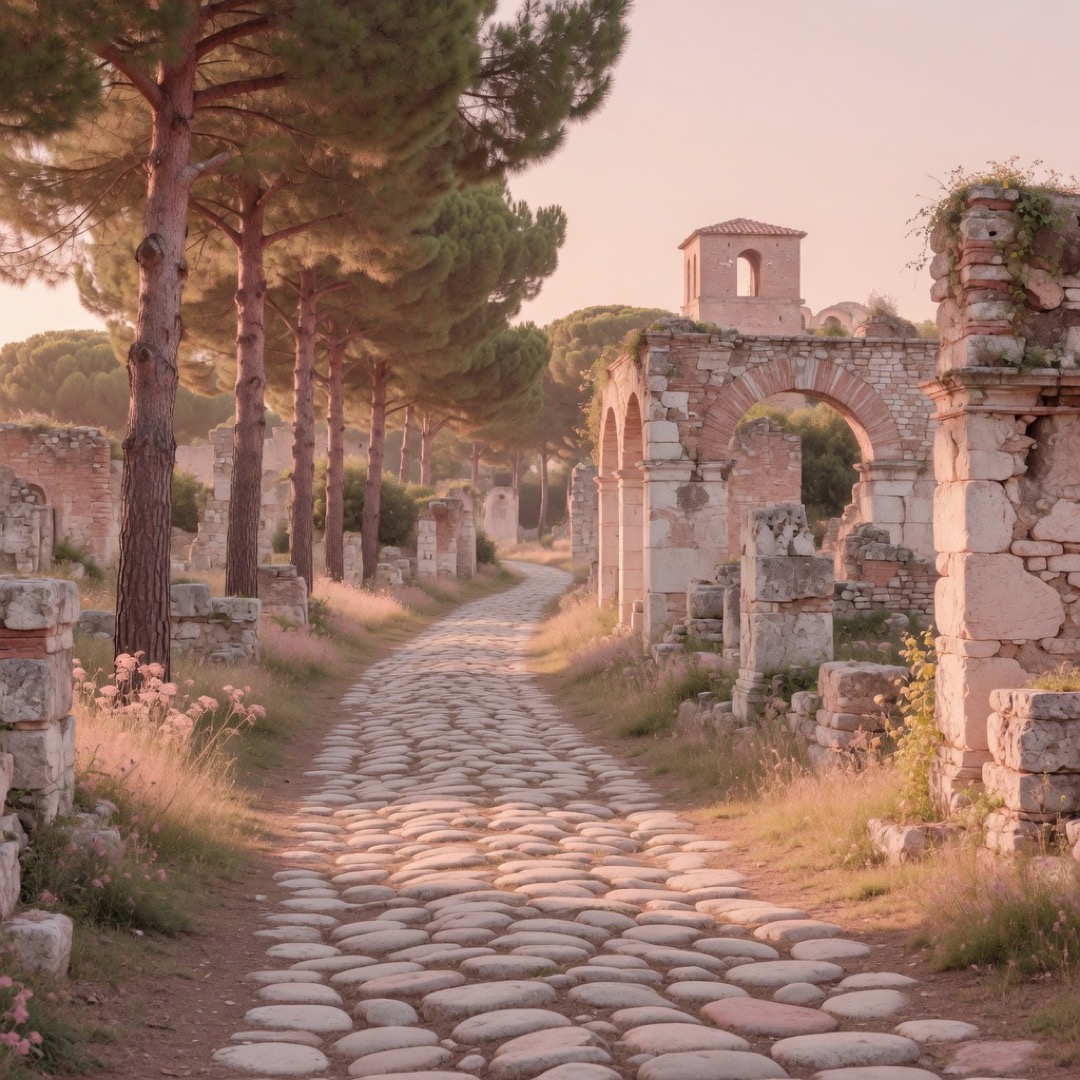
Why it works: space, history, and motion — the anti-crowd antidote to central Rome, with a natural dinner ending back in San Giovanni or at the Appia restaurants.
Caveat: needs more planning than the central parks — check site hours, closures and transport; limited parking, so don’t arrive by car expecting a spot.
10. Mausoleo di Cecilia Metella — the Appia landmark
Site hours follow the park schedule — Tue–Sun, seasonal 9:00–16:30 to 19:15; last entry before close. Verify before the walk.
The great cylindrical tomb of Cecilia Metella is the Appia’s most dramatic landmark — a 1st-century BC mausoleum that later became part of a medieval castle, dominating the road like a gate. It’s the natural halfway point and the “we made it” moment of an Appia walk.
Reach it on foot or bike along the cobbled road, stop at the monument, and turn back or keep going toward the countryside. It gives the walk a clear structure — the date has a destination even when the destination is just “the big round tomb.”
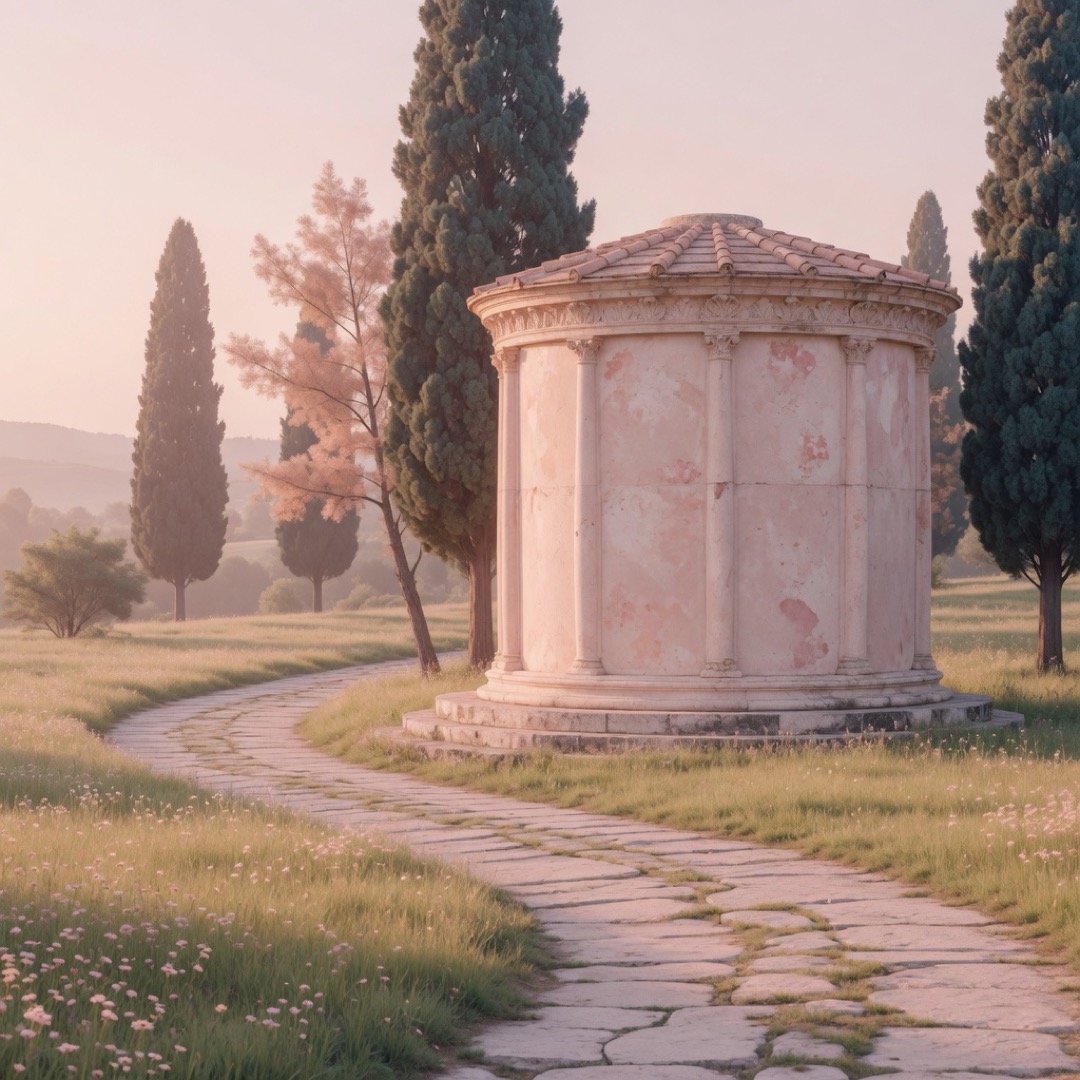
Why it works: a built-in landmark goal that turns a long walk into a satisfying out-and-back.
Caveat: site hours are seasonal and the park pass is needed for some areas — check the park’s info page before the walk.
11. Trastevere — the after-walk neighbourhood
Open-air streets — always accessible; bars and restaurants have their own hours.
The Gianicolo promenade is beautiful; the reason it works as a date is what’s below it. Trastevere’s tangled streets, piazza Santa Maria, and wall-to-wall small bars give you the “keep walking and see” plan that needs no reservation.
Come down from the hill as the light drops and let the neighbourhood absorb you: a bar on a square, a plate of something, a slow wander back toward the river. It’s the payoff beat that makes the climb feel earned.
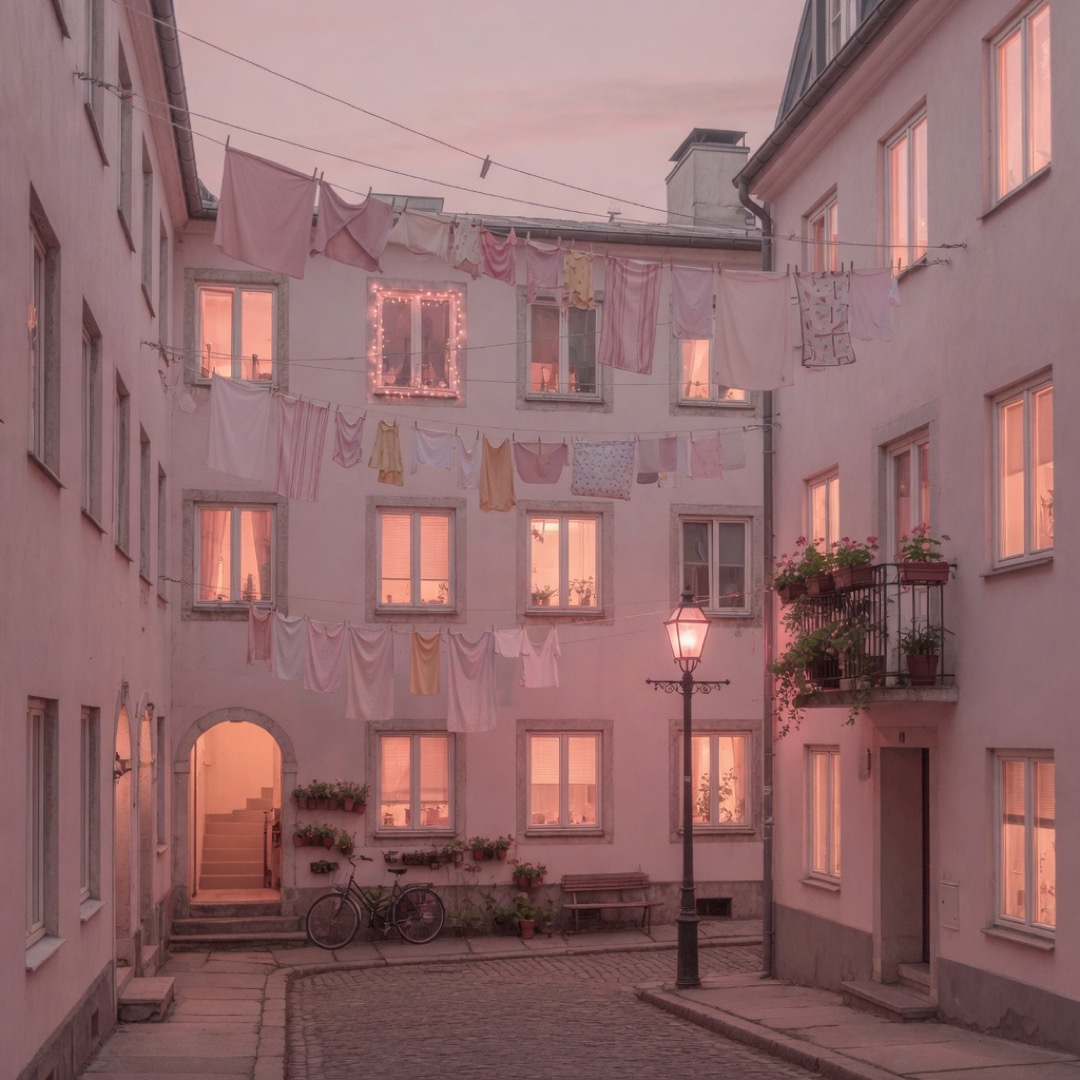
Why it works: the hill gives the view, Trastevere gives the evening — one walk, two very different Rome beats.
Caveat: peak evenings are busy and touristy near the main square; the side streets are the human version.
12. Circus Maximus green — the wide-open pause
Open-air public green — always accessible; no gate hours.
The old chariot-racing ground is now a vast, grassy, slightly surreal open space that nobody treats as a monument — and that’s exactly its charm. Walk across it after the Orange Garden, lie on the grass, or use it as the wide-open buffer between the Aventine and the Testaccio food streets.
It’s the least romantic pin in this guide and one of the most useful: an unscripted pause with room to breathe, no queue, no ticket, no expectations. The Aventine views frame one end; the city hums around the other.
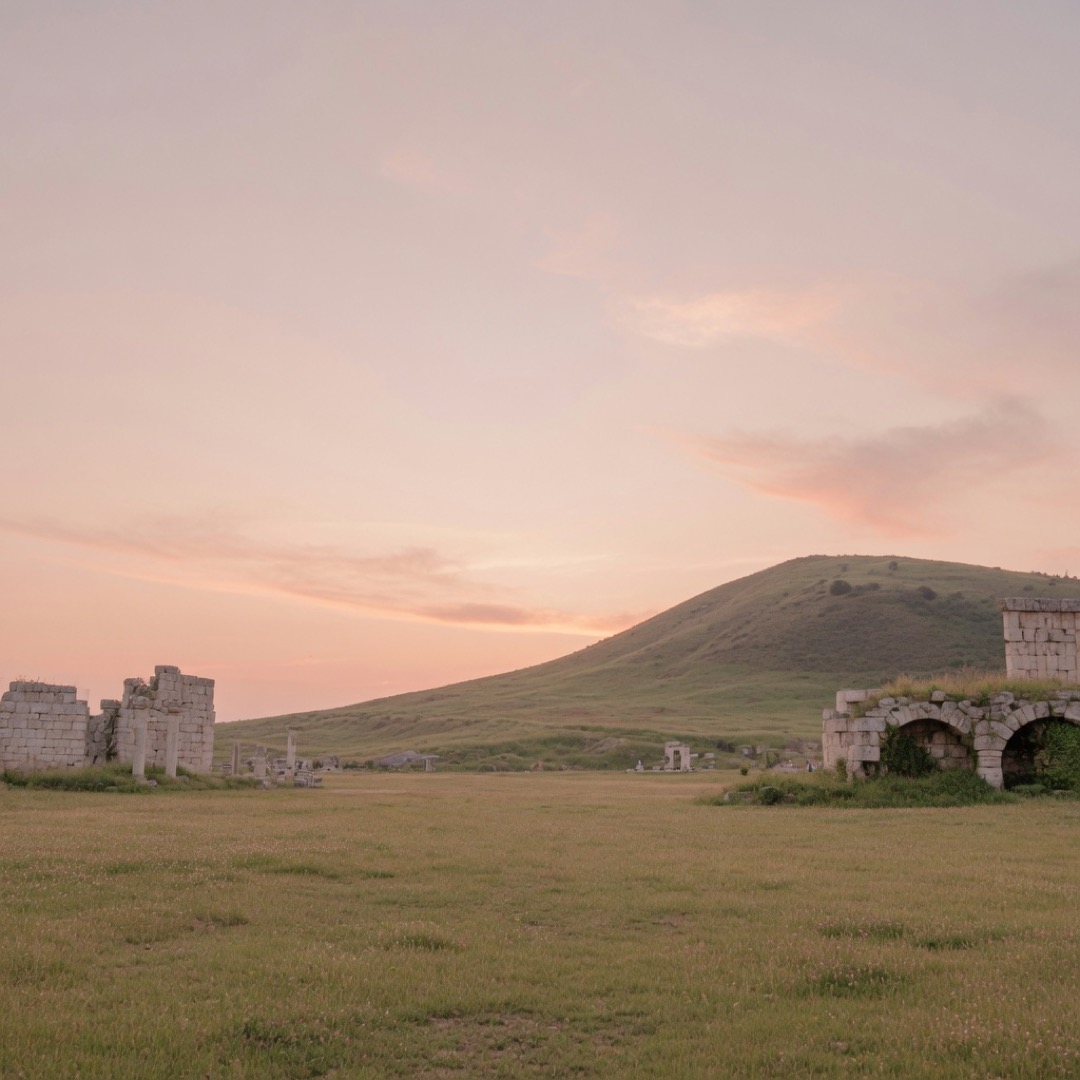
Why it works: a no-pressure, no-agenda space that makes conversation the only event.
Caveat: exposed sun with little shade — go late afternoon; the grass is public and free, dress for sitting.
Ready-made itineraries
Aventine twenty minutes (1–2 hours)
- Giardino degli Aranci → keyhole at Cavalieri di Malta → walk down past Circus Maximus → coffee in Testaccio or Trastevere. The shortest complete date in Rome.
Borghese afternoon (2–3 hours)
- Meet at a park gate → lake loop at Giardino del Lago → lawns → Pincio terrace at golden hour → down to Piazza del Popolo. Free, always open, exits everywhere.
Gianicolo sunset (2–3 hours)
- Fontana dell'Acqua Paola → promenade walk → piazzale Garibaldi view → down into Trastevere for the evening. The classic Rome sunset, then the neighbourhood payoff.
Appia adventure (3–5 hours)
- Bus to Porta San Sebastiano → walk or bike the cobbled Appia → Cecilia Metella midpoint → back for dinner in San Giovanni or at the Appia restaurants. Check park hours and the June 2026 site closures first.
Big quiet park (2 hours)
- Villa Doria Pamphilj morning or evening window (check the schedule — it closes midday) → picnic or walk the pine avenues → back toward Monteverde or Trastevere.
Practical notes (Rome-specific)
- Public first meets are normal in Rome. Tell a friend where you are.
- Metro and bus beat optimism — build buffer; “I’m at the Borghese gate by the lake” saves fights.
- Sunset is the main event — the belvederes fill at golden hour; arrive a little early and claim your spot.
- Hours are seasonal and sometimes odd — the Orange Garden changes by season; Villa Doria Pamphilj opens in morning + evening windows with a midday closure; check official pages before promising times.
- Two Appia sites are closed for restoration since June 2026 (Tombe della Via Latina, Capo di Bove) — don’t plan around them.
- Always verify before you visit — hours, access, and conditions change.
Want company for one of these plans?
Dating Me is an anonymous board for pinning real-world meet ideas — walks, views, low-key plans — with a time window.
Browse what is up in Rome or pin your own on Dating Me — filter to Rome, or open Nearby sorted by soonest meet.
No obligation to message anyone. Public places only. Tell a friend where you are going.
Editorial guide for Dating Me. Images are Soft Blush renders inspired by real places — not claimed as documentary photography of interiors.